Why This Matters for Beaumont Drivers
Storm season is not an abstract risk in Beaumont. Local drivers deal with intense downpours, hail pockets, tropical weather, fallen branches, and road debris that can damage a parked or moving vehicle in minutes. That matters because many weather-related losses are handled under comprehensive coverage rather than collision. If a tree limb crushes a hood, hail dents a roof, or wind sends debris into a windshield, the difference between having comprehensive coverage and dropping it can be thousands of dollars. For Beaumont households balancing monthly premiums with real storm exposure, the smarter question is not just whether to carry this protection, but how much deductible risk makes sense.
How Storm Season Changes Coverage Decisions
In Southeast Texas, weather patterns make comprehensive coverage more relevant than in drier or less storm-prone places. Beaumont sits in an area where Gulf moisture, severe thunderstorms, and hurricane-season threats can all raise the odds of non-collision vehicle damage. A driver who rarely worries about theft or vandalism may still face cracked glass, flood-soaked interiors, or paint and body damage from airborne debris. That local reality can make comprehensive coverage easier to justify, especially for newer vehicles, financed cars, or households that cannot absorb an unexpected repair bill. Even owners of older cars may want to compare the vehicle's value against likely storm repair costs before deciding to reduce protection.
What Comprehensive Coverage Usually Helps With
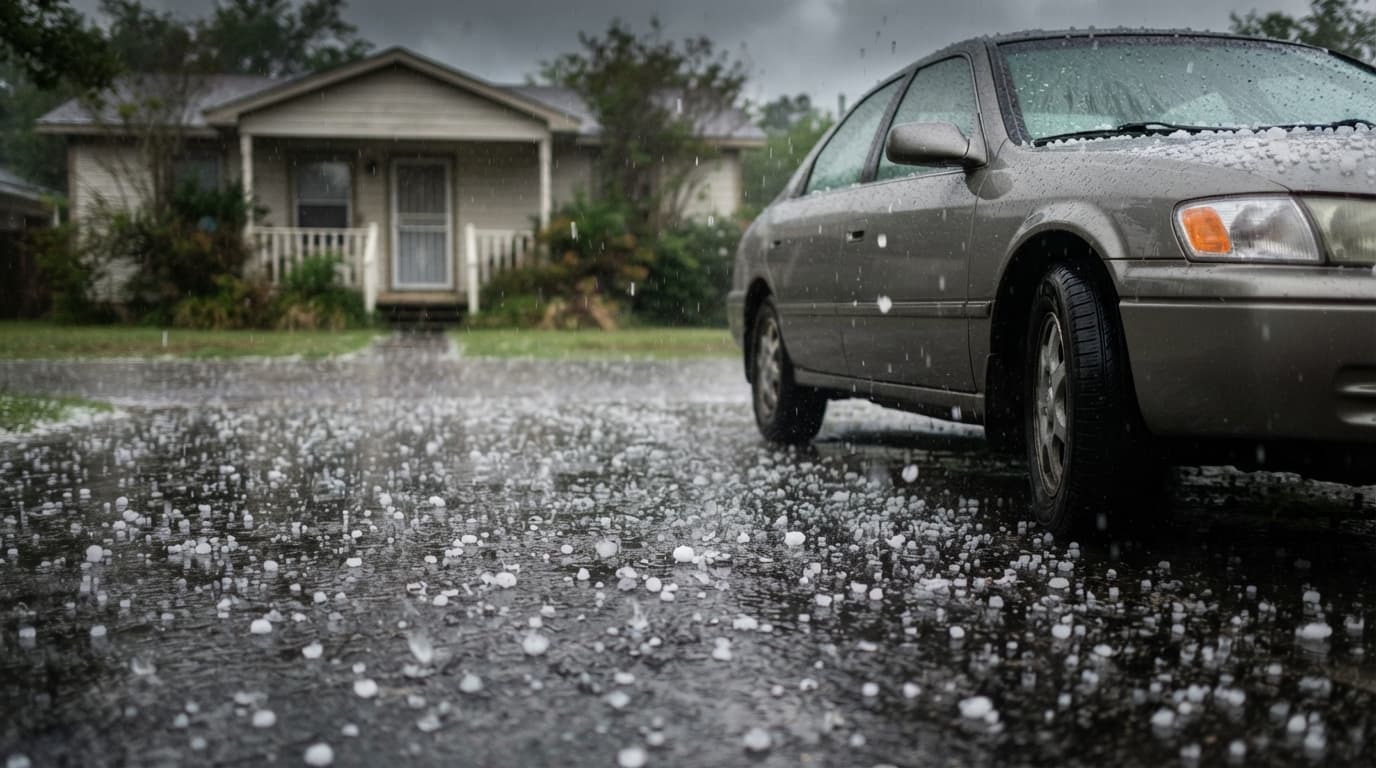
Comprehensive coverage generally applies to covered losses that are not caused by hitting another vehicle or object in a driving accident. For Beaumont drivers, that often means hail dents, broken windshields from flying debris, damage from a fallen tree branch, theft, vandalism, and sometimes water damage from sudden storm events, depending on the policy terms and circumstances. It is important not to confuse comprehensive with liability coverage, which pays for damage you cause to others, or collision coverage, which typically applies when your car strikes something. If your concern is what happens when your vehicle is parked during a severe thunderstorm in Beaumont or while tropical weather moves through Jefferson County, comprehensive is the coverage people usually review first.
Choosing a Deductible That Fits Local Risk
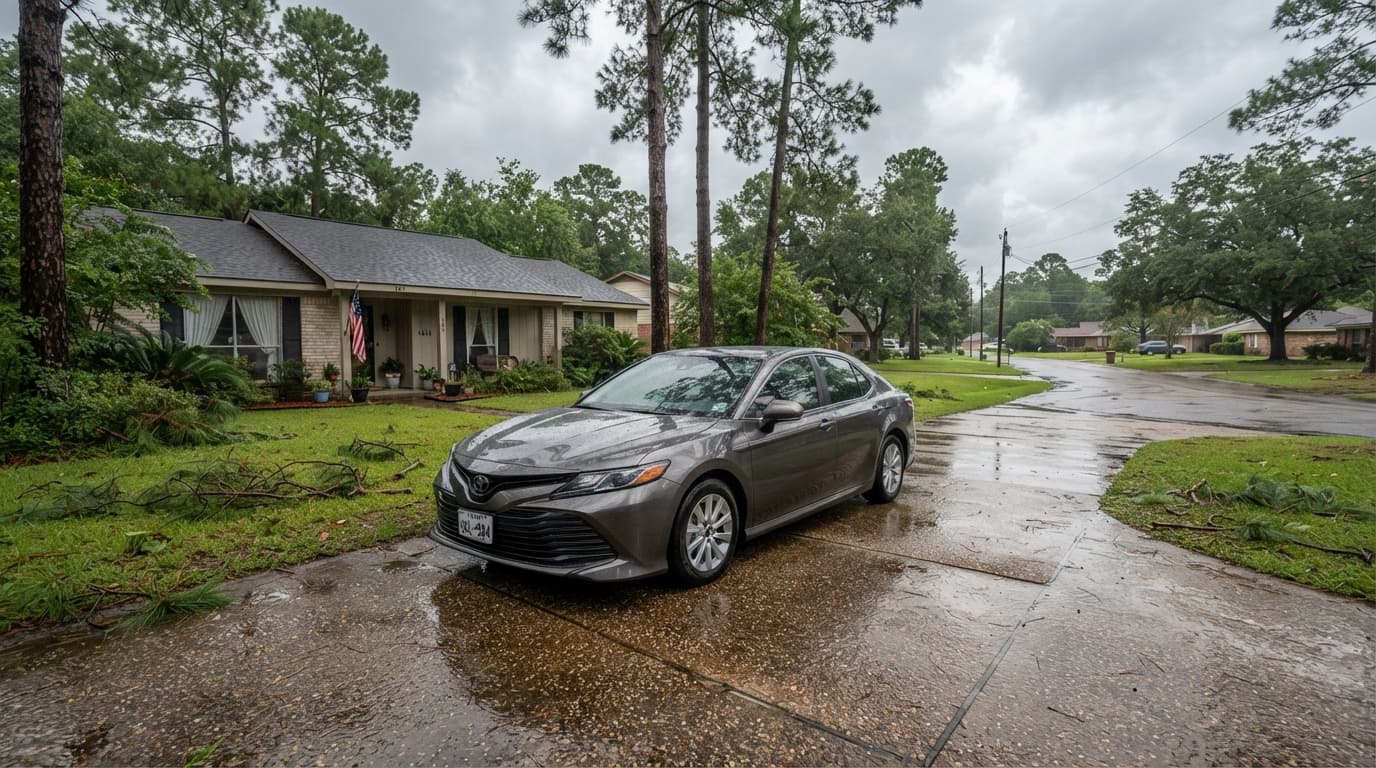
A lower premium can look attractive until storm damage happens and the deductible feels too high to use. Beaumont drivers should think about deductibles in practical terms, not just monthly savings. If your comprehensive deductible is $1,000, ask whether that amount is readily available if hail cracks glass and dents body panels next week. If not, a lower deductible may be a better fit even if the premium is higher. On the other hand, if you keep emergency savings and drive an older vehicle with limited value, a higher deductible might still be reasonable. The goal is to match the deductible to your actual budget, your vehicle's replacement value, and the frequency of severe weather common around Beaumont, Vidor, and Nederland.
When Keeping Comprehensive Makes More Sense
Drivers sometimes consider dropping comprehensive once a car ages, but Beaumont storm conditions can make that decision more complicated. A paid-off vehicle may not be worth enough to justify broad physical damage coverage in every case, yet storm-related repairs can still be expensive enough to hurt. Replacing a windshield, repairing hail dents, drying out an interior after water intrusion, or fixing damage from a downed limb can cost far more than expected. Keeping comprehensive often makes the most sense when the car is still worth a meaningful amount, when the owner parks outside regularly, or when the household depends on that vehicle daily for commuting across Beaumont, Port Arthur, or Orange. Losing access to transportation can create costs beyond the repair bill itself.
How to Document Storm Damage Properly
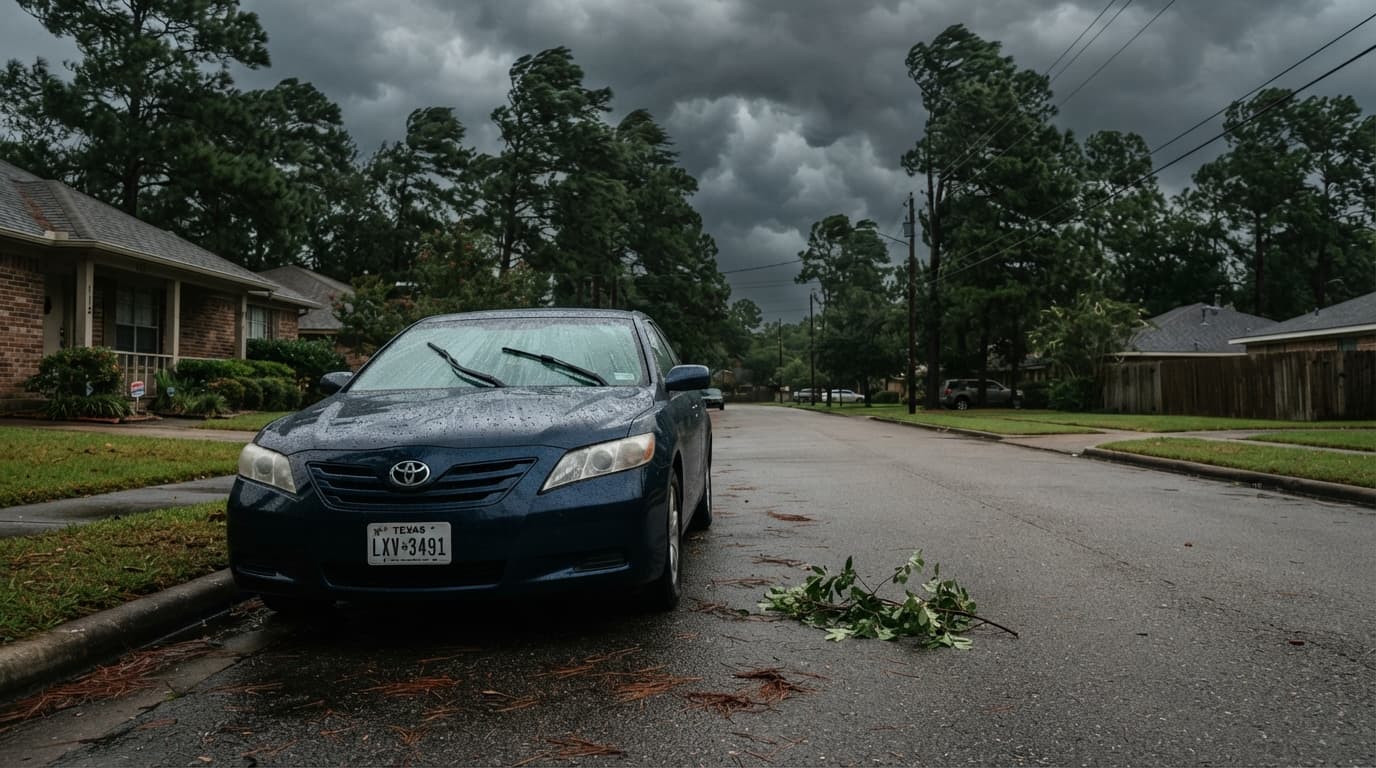
Good documentation can make a storm claim smoother and reduce disputes about what happened. After a weather event in Beaumont, take clear photos of all visible damage from multiple angles, including close shots and wider views that show the surroundings. Capture broken glass, dents, standing water, fallen branches, or debris that struck the vehicle. Save the date, time, and location, and keep notes about the storm conditions if you know them. If there was local hail or flooding near areas like Groves, Port Neches, or Lumberton, that context may help support the timeline. Do not throw away damaged parts or begin major cleanup before documenting everything. If the car is unsafe, protect it from further loss and arrange towing or temporary storage as needed.
Local Factors That Raise Storm Exposure
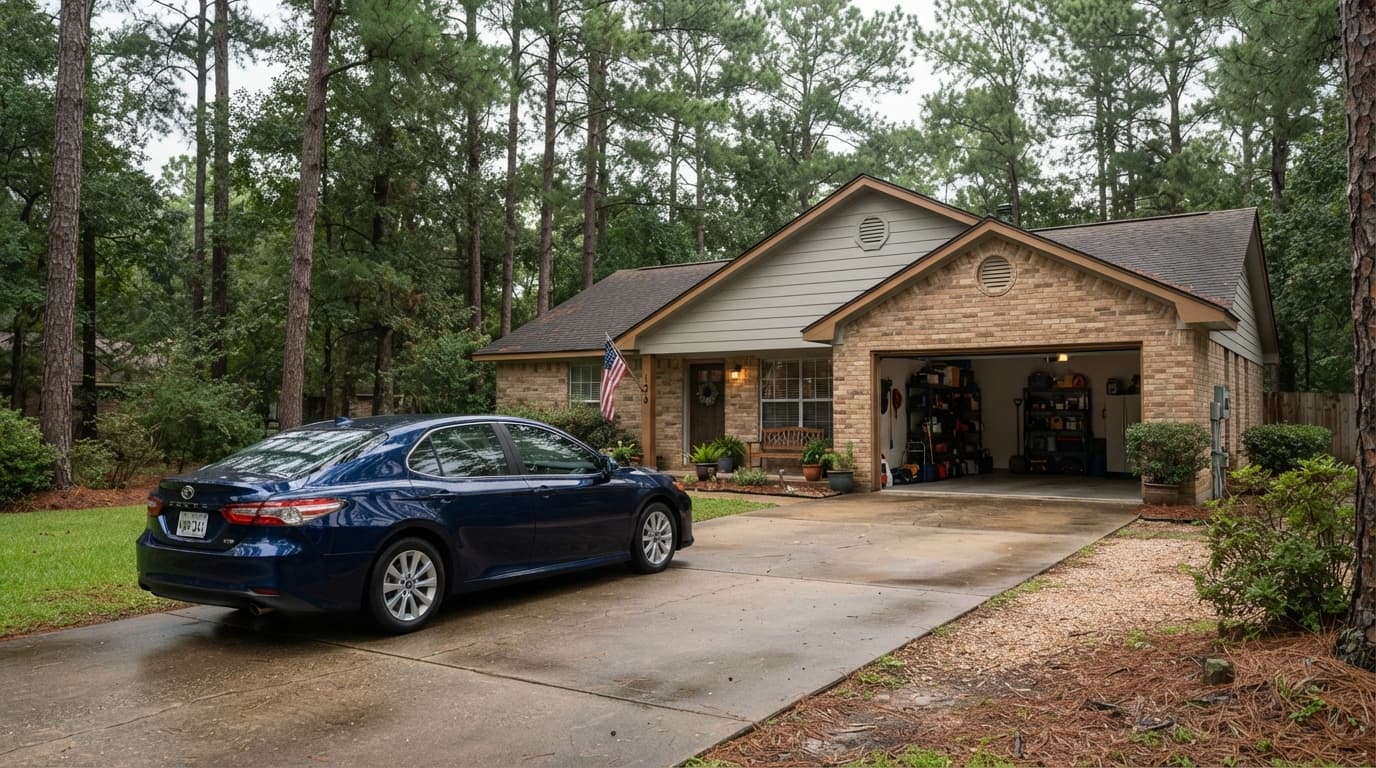
Beaumont drivers face a mix of local conditions that can increase non-collision losses. Heavy rainfall can overwhelm drainage in low-lying areas, while strong wind can turn loose outdoor items into projectiles. Tree-lined neighborhoods may look great until saturated ground and gusts bring limbs down onto parked cars. Commutes between Beaumont and nearby communities such as Bridge City, Silsbee, Kountze, and China can also expose drivers to changing weather in a short span of time. Vehicles parked outdoors at apartments, workplaces, or event venues may be especially vulnerable during sudden afternoon storms. Because comprehensive claims often come from these exact situations, local weather patterns should be part of any serious coverage review, not an afterthought.
Key Takeaways for Beaumont Drivers
- Review whether your vehicle's value and your household budget justify keeping comprehensive coverage through Beaumont storm season.
- Choose a deductible you could realistically pay after hail, debris, glass, or water-related damage instead of focusing only on premium savings.
- Document storm damage immediately with photos, notes, and scene details before repairs or cleanup begin.
- Consider where the car is parked most often, since outdoor parking in Beaumont, Orange, or Port Arthur can increase exposure to wind and falling debris.
- Compare policy details carefully so you understand what losses are handled under comprehensive and where claim limits or exclusions may apply.

Next Steps Before the Next Storm Arrives
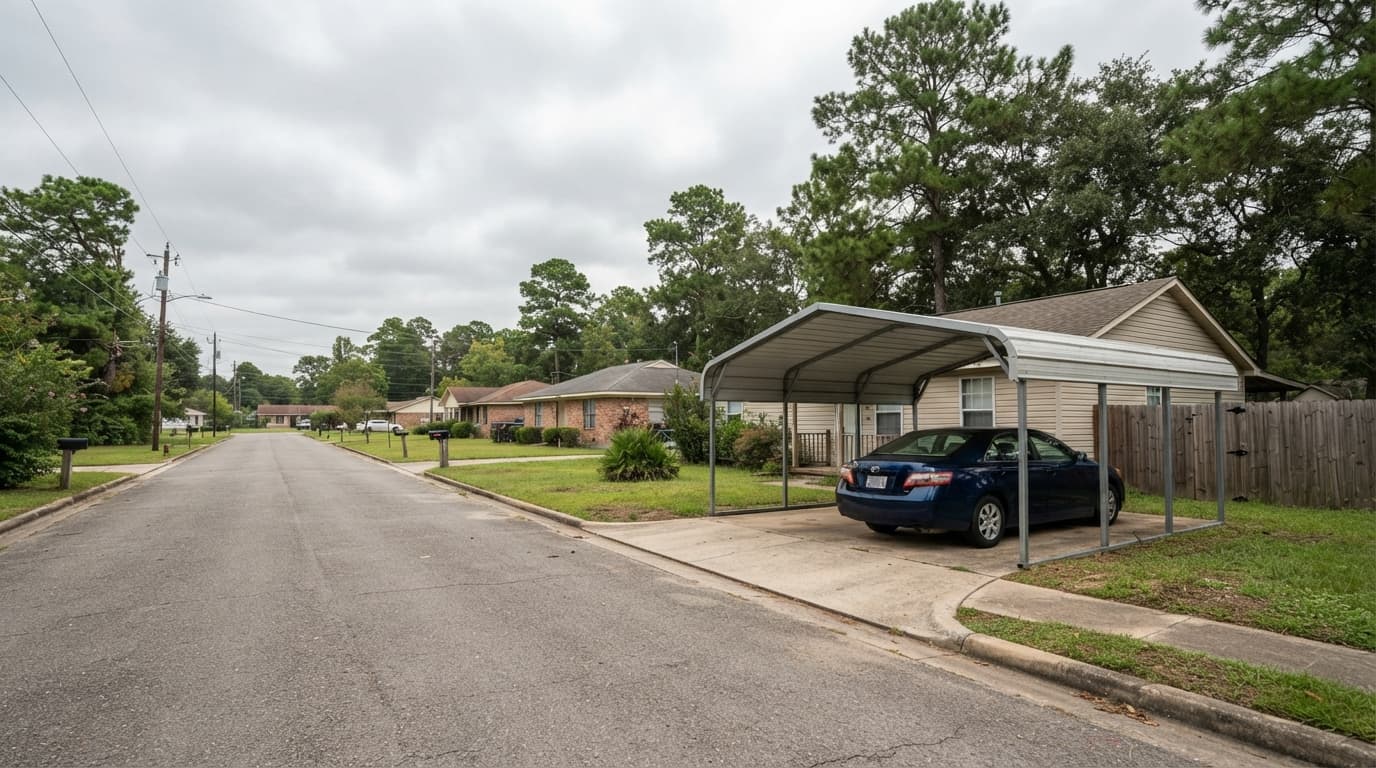
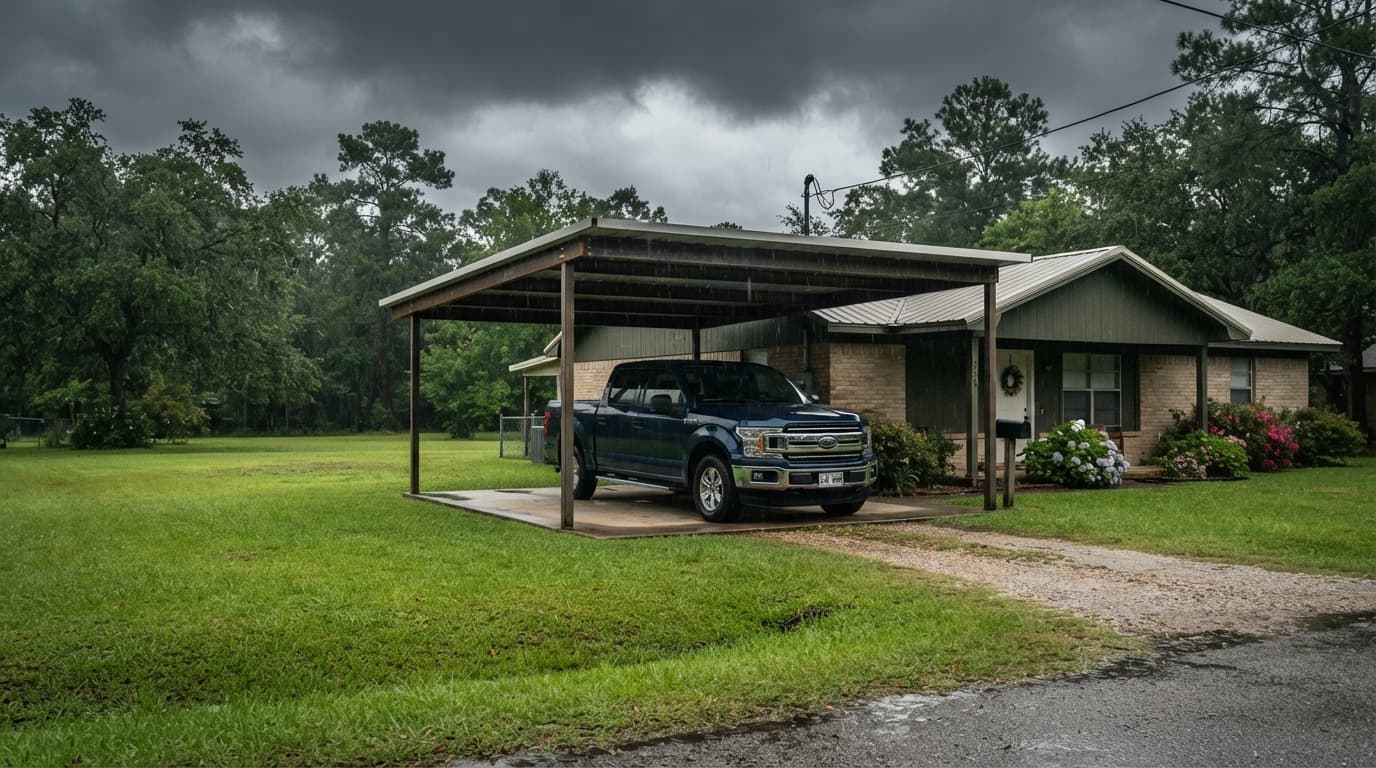
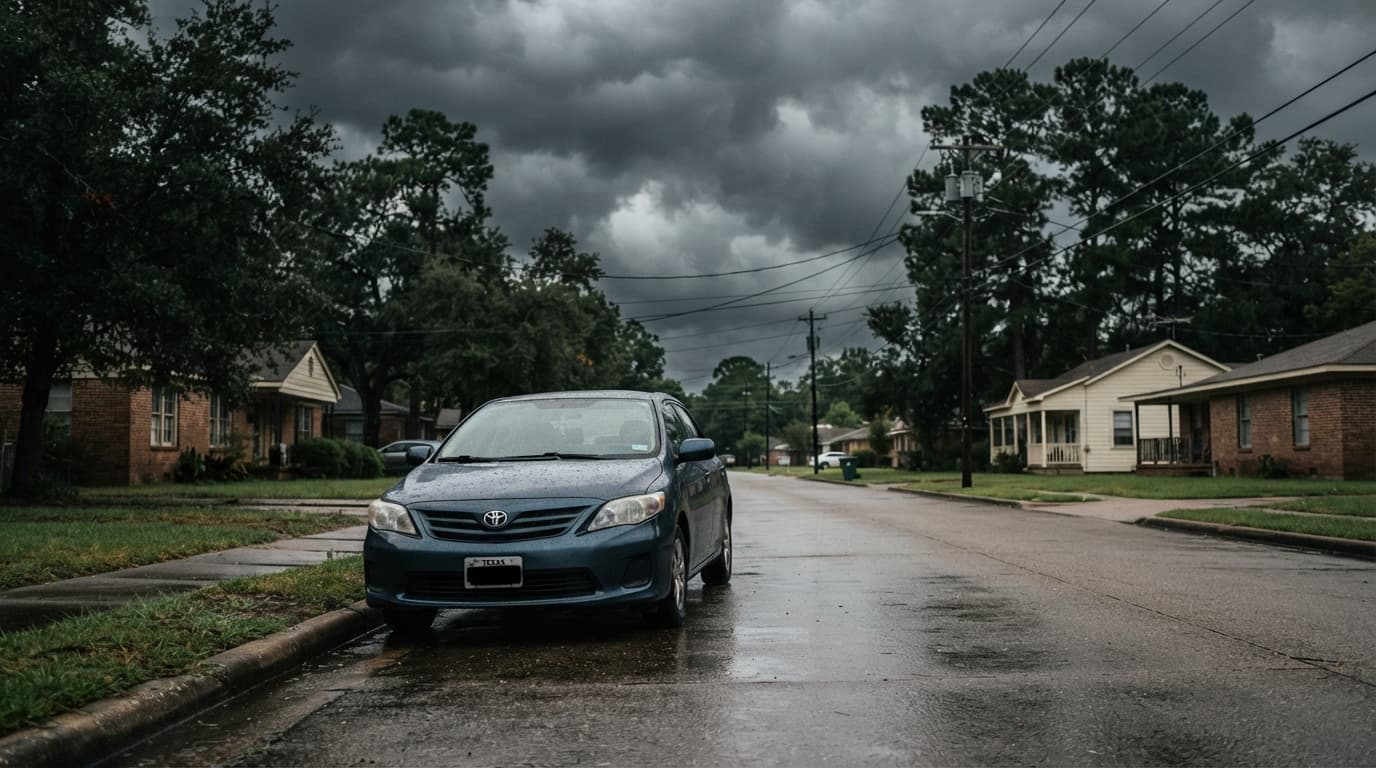
The best time to evaluate comprehensive coverage is before the forecast turns severe. Beaumont drivers should review current deductibles, confirm whether comprehensive is still active, and compare the annual premium against the cost of replacing or repairing the vehicle after common storm losses. It also helps to check where the car is usually parked, whether covered parking is available, and whether emergency savings could handle an out-of-pocket deductible. If your situation has changed since last renewal, this is a good time to request updated quote comparisons and revisit coverage limits. In a place like Beaumont, where storm season can escalate quickly, informed planning is often the difference between a manageable claim and a major financial setback.