Why Beaumont Drivers Ask About MedPay
Medical Payments coverage, often called MedPay, is one of those auto insurance options many Beaumont drivers notice on a quote and immediately wonder about. It usually adds a fairly small amount to the premium, but the value question is real: does it actually help when a crash happens on I-10, Eastex Freeway, or local roads around Dowlen Road and College Street? The short answer is that MedPay can be useful because it helps cover medical bills for you and your passengers after an accident, no matter who caused it. For households trying to balance protection with affordability, the better question is not whether MedPay is good in general, but whether it fits the way your family drives in Beaumont.
What Medical Payments Coverage Actually Does
MedPay is designed to pay for reasonable medical and funeral expenses after an auto accident, up to the policy limit you choose. That can include ambulance rides, emergency room visits, X-rays, follow-up doctor visits, and sometimes deductibles or copays that health insurance leaves behind. Unlike liability coverage, which pays for injuries you cause to others, MedPay focuses on people inside your vehicle and can respond quickly without waiting for fault to be sorted out. In Beaumont, where a crash can involve multiple vehicles, traffic backups, and delayed claims handling, that speed matters. It can serve as a financial bridge while other insurance questions are still being worked through.
Why Emergency Room Costs Change the Equation
The reason MedPay gets serious attention is simple: even a moderate injury can create bills fast. A single emergency room visit after a collision may involve facility charges, physician fees, imaging, and follow-up treatment. Add an ambulance ride or care for more than one family member, and out-of-pocket costs can rise before a driver has even figured out which insurer will ultimately pay. For Beaumont residents, that matters because many local commutes involve higher-speed roads and industrial traffic corridors where injuries can be more than just minor soreness. If your health plan has a high deductible, large coinsurance, or a narrow provider network, MedPay can soften the immediate financial hit instead of forcing everything onto a credit card or payment plan.
Passenger Exposure Is Often the Tipping Point
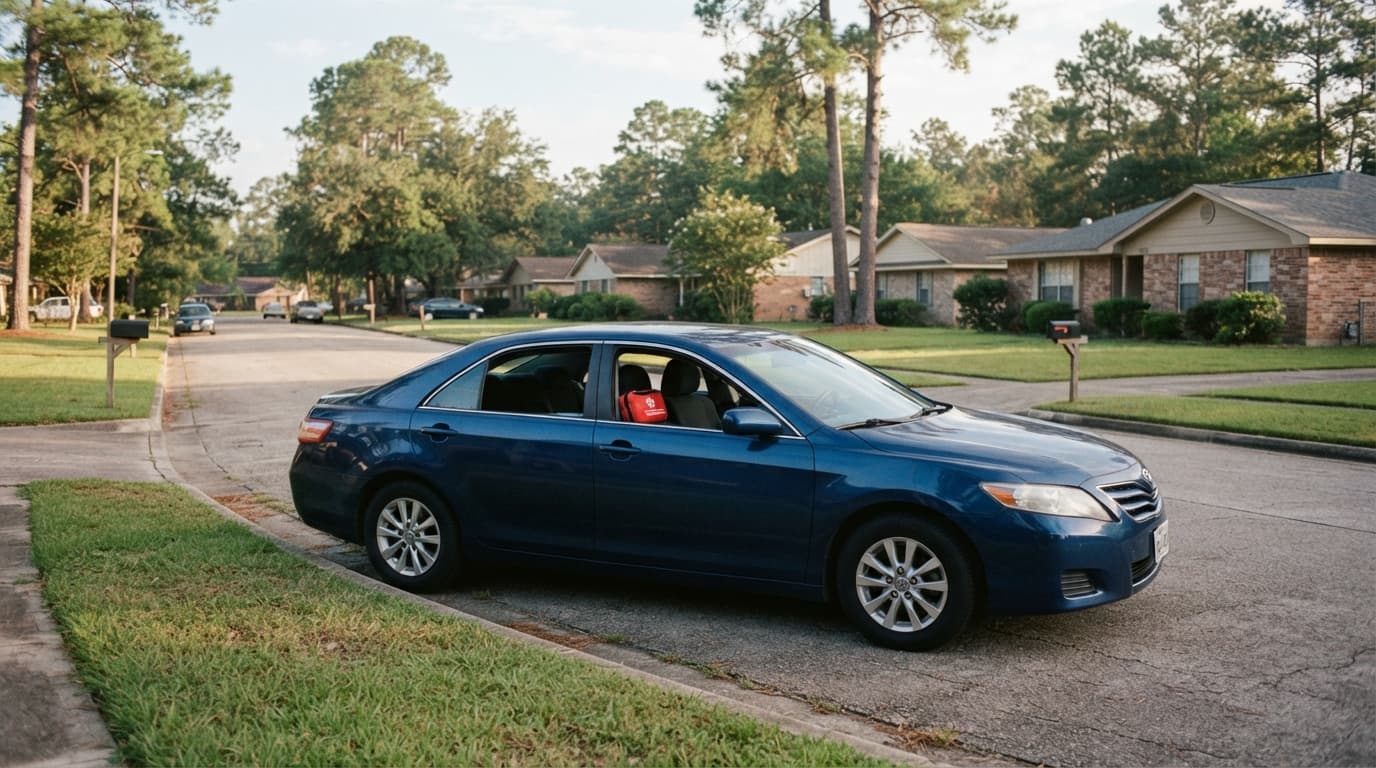
Drivers who usually travel alone may view MedPay differently than households with kids, carpools, or frequent family passengers. If you regularly drive children to school, take relatives to appointments, or head across Beaumont with multiple passengers for work or errands, your exposure is broader than just your own injury risk. One crash can mean medical bills for several people at once. MedPay can apply to covered occupants in the vehicle, which makes it easier to see why families in places like Vidor, Nederland, Groves, and Port Neches often consider it worthwhile. When the question becomes, could this coverage help if three or four people need evaluation after a wreck, the monthly premium can start to look more reasonable.
Health Insurance Does Not Always Remove the Need
A common assumption is that health insurance makes MedPay unnecessary, but that is not always true. Many health plans still leave deductibles, copays, coinsurance, and non-network charges for the patient to handle. Some people in Beaumont also have coverage through employers with higher deductibles that reset annually, so a crash early in the year can be especially expensive. MedPay may help fill those gaps, especially when immediate care is needed before questions about preferred providers are answered. It also can help passengers who may have different health plans or no strong coverage of their own. In practical terms, MedPay is less about replacing health insurance and more about reducing the amount of medical cost that lands directly on the household budget right after an accident.
When MedPay Makes Less Sense
MedPay is not automatically the right fit for every Beaumont driver. If you have strong health insurance with a very low deductible, substantial emergency savings, and rarely carry passengers, you may decide the added premium is better spent on another coverage gap. Some drivers may benefit more from increasing uninsured or underinsured motorist protection, especially if they worry about serious accidents involving someone with too little liability insurance. Others may need to focus on lowering deductibles for collision or comprehensive coverage first. The best way to judge MedPay is to compare its cost against your actual ability to absorb a sudden medical bill. If a few thousand dollars in injury-related expenses would create stress, MedPay deserves serious consideration. If it would barely register, its value may be lower for you.
Why Beaumont-Specific Driving Patterns Matter
Beaumont driving conditions make injury-related coverage worth thinking through carefully. The mix of freeway traffic, refinery and plant-related commuting, storm-season weather, and regional travel toward Orange, Port Arthur, Lumberton, and Bridge City increases the chance of both routine fender benders and more serious collisions. Wet roads during Gulf weather events can turn an ordinary commute into a chain-reaction crash, and heavier commercial traffic can increase impact severity. Local households also tend to make short but frequent trips, which raises exposure simply through repetition. For drivers in Beaumont, MedPay is not really an abstract add-on. It is a way to plan for the real possibility that an otherwise manageable accident could still create fast medical costs before larger claims are resolved.
Key Takeaways for Beaumont Drivers
- MedPay can pay for accident-related medical expenses quickly, regardless of who caused the crash.
- It is often more valuable for families, carpools, and drivers who regularly carry passengers around Beaumont and nearby cities.
- Health insurance may still leave deductibles, copays, and out-of-network costs that MedPay can help cover.
- Drivers with limited emergency savings may benefit more from MedPay than drivers who can comfortably absorb several thousand dollars in medical bills.
- The best choice comes from comparing MedPay cost with local driving exposure, passenger habits, and existing health coverage gaps.

How To Decide Before You Buy
A smart way to evaluate MedPay is to ask three simple questions. First, if an accident happened this month in Beaumont, how much would you personally owe before health insurance fully helped? Second, how often do you carry children, relatives, or friends who could also need treatment? Third, would a sudden ambulance bill, ER charge, or imaging cost strain your budget? If the answer to any of those is yes, MedPay may be worth adding to your auto policy. Compare a few coverage limits and look at the premium difference rather than deciding from the name alone. For many drivers, the right move is not buying every optional coverage, but choosing the few that protect against the expenses most likely to disrupt daily life.