Why Roadside Assistance Matters in Beaumont
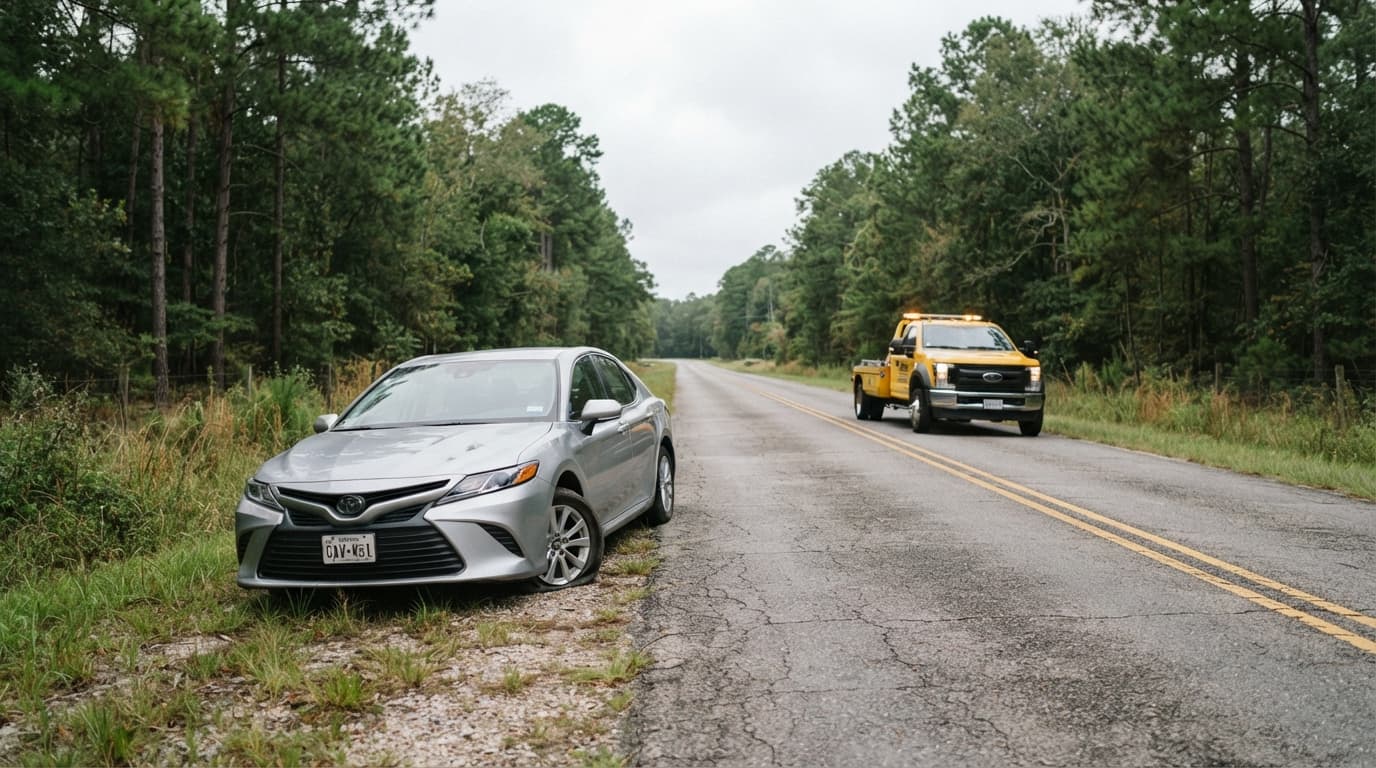
Roadside assistance is one of those coverages many drivers do not think much about until they are stuck on the shoulder with a dead battery, a flat tire, or keys locked inside the car. In Beaumont, that situation can happen during a daily drive on I-10, a wet-weather commute across town, or a weekend trip toward Port Arthur, Orange, or Lumberton. This protection is designed to help with urgent, non-collision vehicle problems that leave a car disabled or difficult to drive safely. For many local drivers, it offers peace of mind because a single tow or after-hours service call can easily cost more than the annual price of adding roadside assistance to an auto policy.
What This Coverage Is Designed to Do
Roadside assistance is not the same as repair coverage, and that distinction matters. It usually pays for emergency help to get a disabled vehicle moving again or transported to a repair shop, but it does not typically pay to fix the underlying mechanical problem. If a starter fails in a parking lot in Beaumont, roadside assistance may cover a tow. If a battery simply needs a jump, it may cover that service call. If a tire blows out on a trip through Nederland or Vidor, it may cover changing to the spare. The goal is immediate help after an unexpected breakdown, not ongoing maintenance, wear-and-tear repairs, or replacement parts beyond limited situations.
Towing Is Usually the Core Benefit
Towing is often the feature drivers care about most, and it is usually the most valuable part of roadside assistance. If your vehicle cannot be driven because of a covered breakdown, the provider generally arranges for a tow to a nearby repair facility. In Beaumont, that can be especially useful if a car stalls on a busy corridor, overheats in summer traffic, or will not restart after work. The important detail is that towing often comes with limits. Some policies cap the distance, such as a set number of miles, while others cap the dollar amount per disablement. If you are driving farther out toward Silsbee, Kountze, or Bridge City, those limits can make a difference in out-of-pocket cost.
Jump-Starts, Flat Tire Help, and Lockout Service
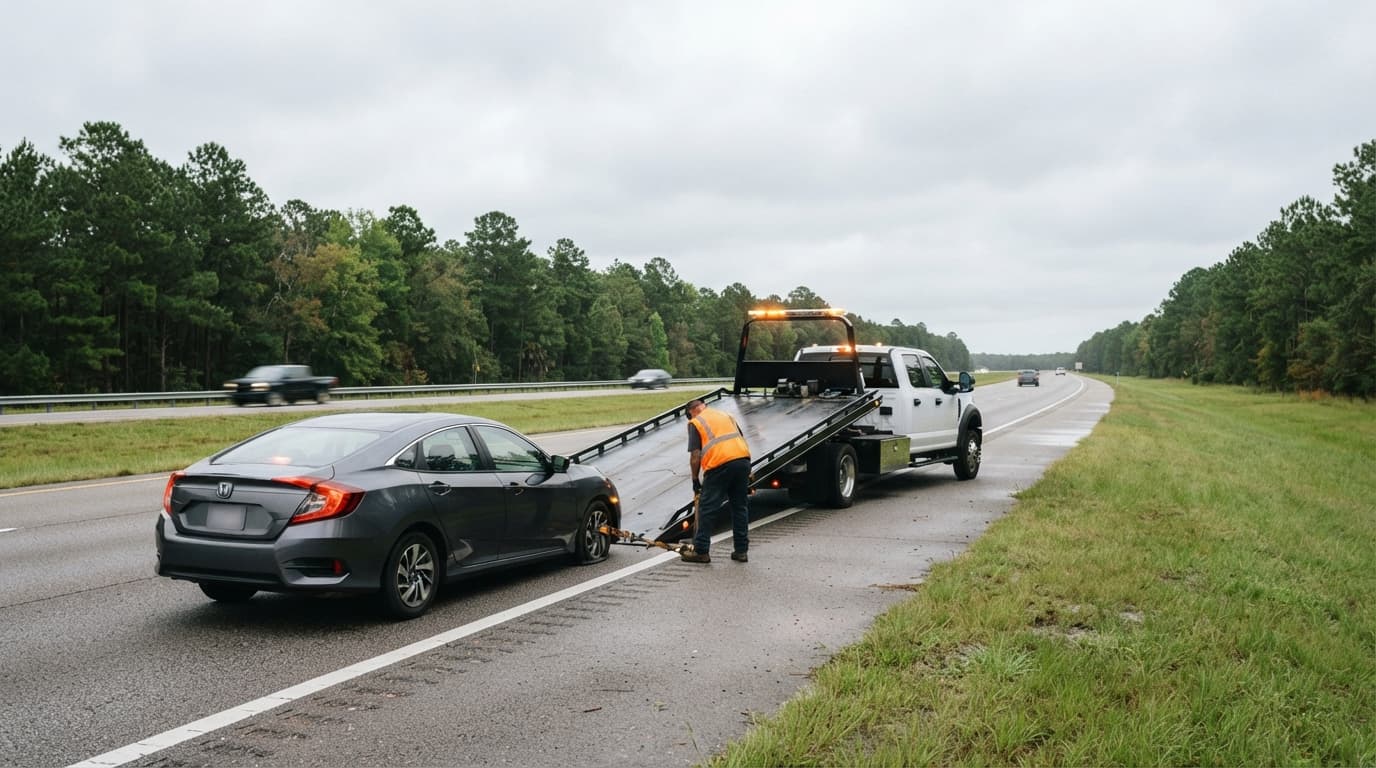
Three of the most common roadside calls are dead batteries, flat tires, and lockouts. A jump-start benefit usually covers sending help to restart the battery, but not always the cost of a replacement battery if the old one has failed. Flat tire service generally means a technician will install your usable spare, not provide a brand-new tire. Lockout assistance usually covers gaining entry to the vehicle when keys are locked inside, but may not cover replacing lost keys, programming electronic fobs, or repairing damaged locks. In Beaumont, where heat, rain, and long workdays can increase the chance of small vehicle mishaps, these basic services can save time and prevent a stressful roadside situation from turning into a major disruption.
Fuel Delivery and Minor Emergency Assistance
Fuel delivery is another common feature, though the exact terms vary. If a driver runs out of gas near downtown Beaumont, along College Street, or on a regional trip toward Port Neches or Groves, roadside assistance may send enough fuel to reach the nearest station. Some plans include the fuel at no extra charge, while others cover only the delivery service and require the driver to pay for the gas itself. A few roadside programs also include minor on-site mechanical adjustments when it is safe and simple to do so, but they are not a substitute for full repair work. Reading the service details matters because what sounds broad in a policy summary may be narrower in the actual terms.
Common Limits and Exclusions to Watch For
Roadside assistance is helpful, but it is not unlimited. Most plans place restrictions on how many service calls are allowed per policy term, how far a tow can go, or how much the provider will pay per incident. There may also be exclusions for vehicles used commercially, repeated calls for the same unresolved problem, off-road recovery, or situations where the vehicle is not safely accessible. Coverage may not apply to large labor-intensive jobs, snow extraction, parts replacement, or towing after a collision if that is handled under another part of the policy. For Beaumont drivers, the smartest approach is to check whether the plan follows the vehicle, the policyholder, or both, especially if multiple household members share cars.
Why Beaumont and Southeast Texas Drivers Often Find It Useful
Beaumont drivers face a mix of local and regional travel patterns that make roadside assistance practical. Many residents commute daily across town, but they also make frequent trips to Orange, Port Arthur, Nederland, and other nearby communities for work, school, medical visits, and family errands. Southeast Texas weather adds another layer of risk. Heavy rain can contribute to visibility issues and roadside hazards, while intense heat can shorten battery life and increase breakdown risk. Even a simple problem becomes more complicated when it happens on a busy highway or during a long drive between cities. For people who regularly leave Beaumont for work or weekend travel, having emergency help available can reduce both delay and unexpected expense.
Key Takeaways Before You Add This Coverage
What Beaumont Drivers Should Check
- Confirm exactly which services are included, such as towing, jump-starts, flat tire changes, lockout help, and fuel delivery.
- Look for tow distance or dollar limits, especially if you often drive beyond Beaumont into places like Silsbee, Kountze, or Bridge City.
- Ask how many roadside events are covered each policy term so frequent service use does not come as a surprise.
- Check whether the plan covers only emergency labor or also includes small items like fuel, fluids, or battery delivery.
- Review exclusions for commercial use, inaccessible vehicles, off-road recovery, or repeated calls for the same unresolved issue.
- Make sure you understand whether coverage follows the insured vehicle, the listed driver, or the entire household.

How to Decide if Roadside Assistance Is Worth It
For many drivers in Beaumont, the decision comes down to cost versus convenience. If your vehicle is older, your battery has shown signs of weakness, you drive long regional routes, or you simply do not want to search for a tow truck during a stressful breakdown, roadside assistance can be worth considering. It is also helpful for households with teen drivers, commuters, or anyone who spends a lot of time on the road between Beaumont and surrounding cities. Before choosing a policy, compare what each insurer includes, what limits apply, and how claims or service requests are handled. A low-cost add-on can provide real value, but only if the terms match how and where you actually drive.