Why Hit-and-Run Claims Matter in Beaumont
A hit-and-run is one of the most frustrating crashes a driver in Beaumont can face. The other driver leaves, there is no exchange of insurance information, and the person who was not at fault is left trying to figure out repairs, medical treatment, and how to document what happened. In many cases, uninsured motorist coverage may become an important part of the claim because a hit-and-run driver is often treated similarly to an uninsured driver. That can make the difference between paying out of pocket and having at least some financial protection. Knowing what to do in the first hour, first day, and first week after the crash can make a major difference in how smoothly the claim moves forward.
How Uninsured Motorist Coverage Fits Into a Hit-and-Run
In Texas, uninsured motorist coverage is commonly designed to help when an at-fault driver either has no insurance or cannot be identified, which is often the issue in a hit-and-run. Depending on the policy, this coverage may apply to bodily injury, vehicle damage, or both, subject to deductibles and policy limits. Drivers in Beaumont should remember that coverage details vary by insurer and endorsement, so the exact wording of the policy matters. A common misunderstanding is that every hit-and-run is automatically covered. Insurers usually expect prompt notice, a consistent account of the crash, and supporting evidence showing there was actual contact or a clearly documented incident. That is why accurate reporting and preservation of evidence are so important from the start.
What To Do Immediately After the Crash
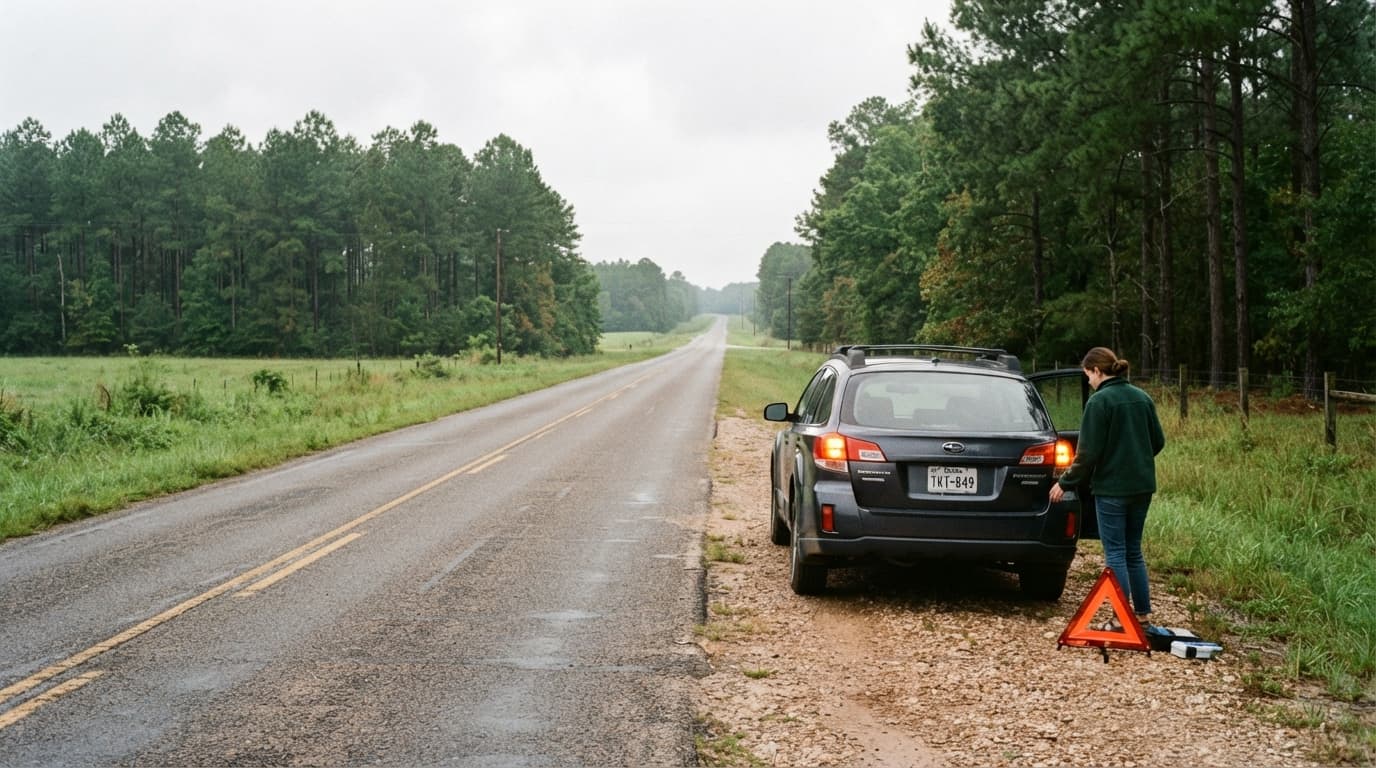
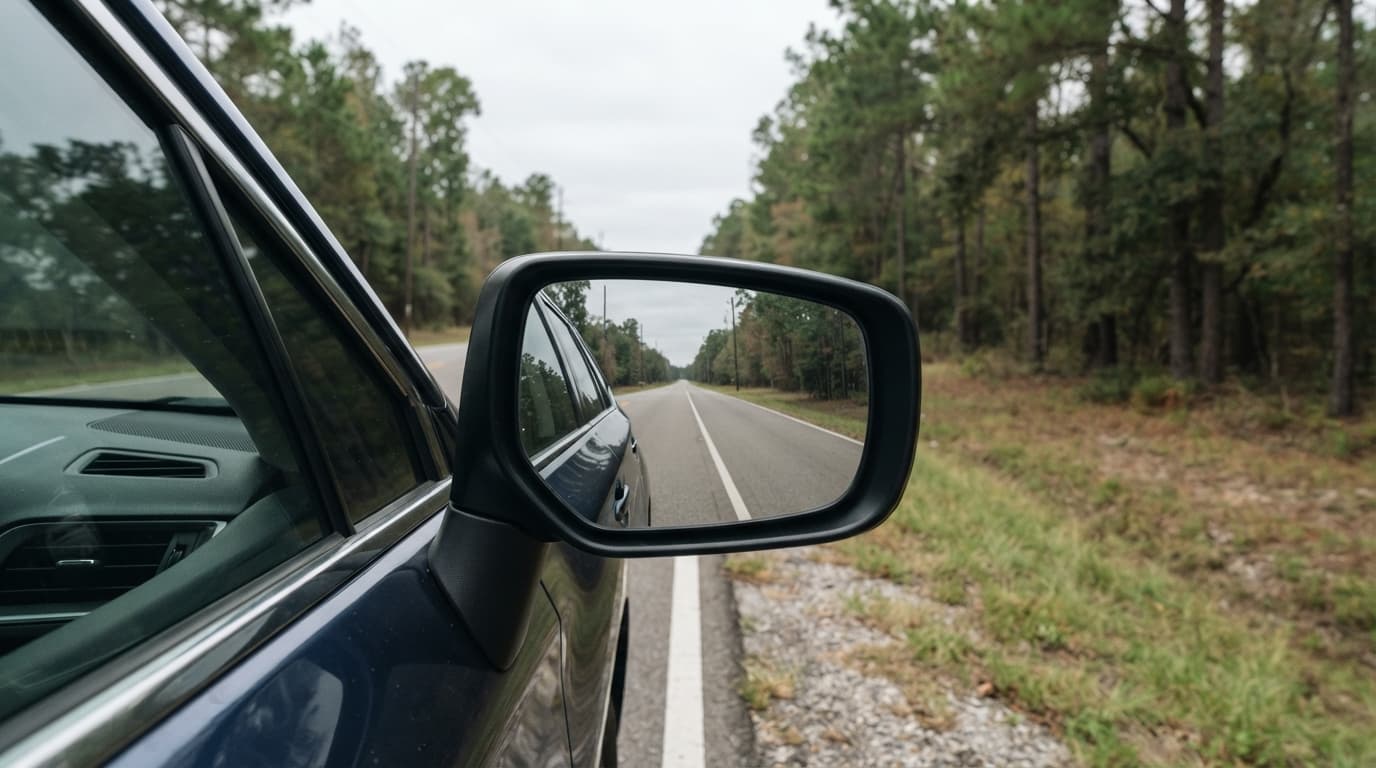
The first priority is safety. Move to a secure location if the vehicle can be driven, call 911 if anyone is injured, and request police assistance. After that, begin documenting everything while details are fresh. Take clear photos of all vehicle damage, skid marks, broken glass, debris, nearby traffic signs, and the wider roadway scene. If the crash happened on I-10, near Dowlen Road, College Street, or another busy Beaumont corridor, note the exact location, direction of travel, and approximate time. Write down anything remembered about the fleeing vehicle, even if it seems minor, such as color, body style, partial plate digits, stickers, or damage. These details often become more important later when the insurer and police evaluate the claim.
Why the Police Report Carries So Much Weight
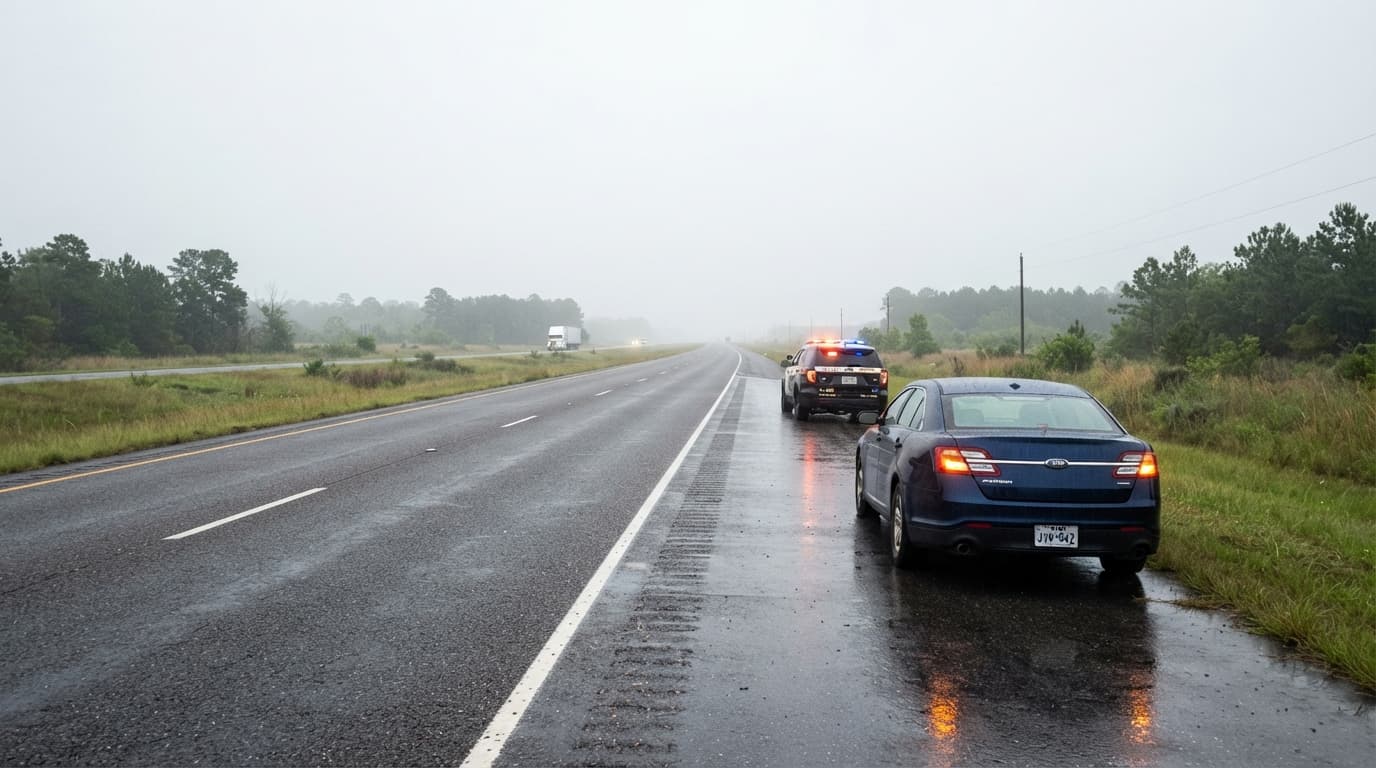
For a Beaumont hit-and-run claim, the police report is often one of the first documents an insurer reviews. It helps establish that the event was reported promptly and that the facts were recorded close to the time of loss. When speaking with law enforcement, keep the description clear and factual. Explain where the collision occurred, how the other vehicle made contact, what direction it fled, and whether anyone nearby may have seen it. If there are traffic cameras, business security cameras, or witnesses near gas stations, intersections, or parking lots, mention that to the responding officer. A police report does not guarantee coverage, but it can support credibility and reduce disputes about when, where, and how the damage occurred.
Witness Information and Physical Evidence Can Make or Break a Claim
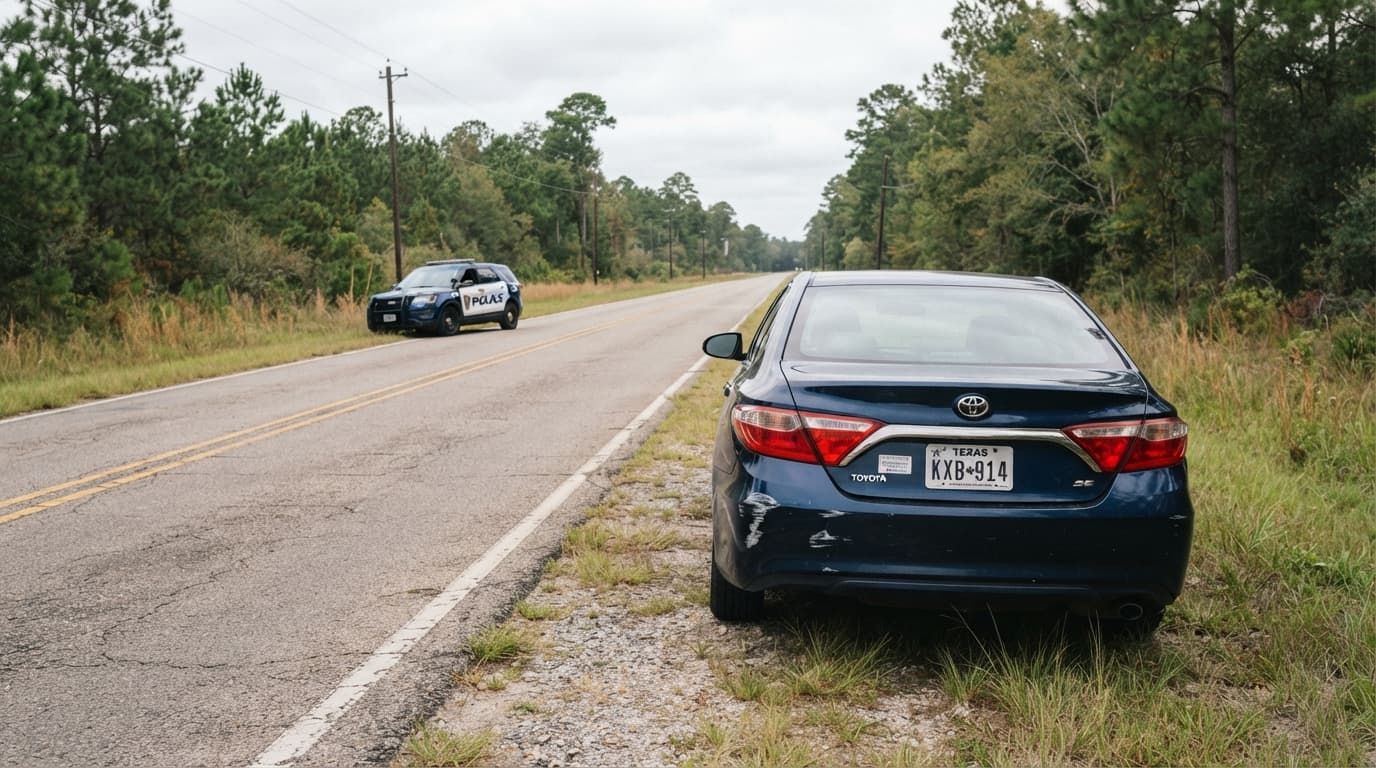
Witnesses can be extremely valuable in hit-and-run cases because they provide independent confirmation that another vehicle caused the damage and left the scene. If anyone stopped to help, ask for full names, phone numbers, and a short description of what they saw. If a nearby store employee, delivery driver, or pedestrian noticed the fleeing vehicle, that information can help both the police and the insurer. Physical evidence matters too. Save dash cam footage, keep damaged vehicle parts if they detach, and do not rush to clean the car before taking thorough photos. If there is paint transfer from the other vehicle, photograph it in good lighting. Small details like impact height, point of contact, and debris patterns may help support that the incident was truly a hit-and-run rather than unrelated damage.
Common Documentation Insurers Often Request
After opening a claim, insurers often ask for a fairly specific set of documents. That may include the police report number, photos of the vehicle and accident scene, repair estimates, medical records if there were injuries, proof of ownership, and a recorded or written statement describing what happened. If the vehicle was parked when it was struck, insurers may also want details about where it was parked, when the damage was first discovered, and whether any cameras covered the area. In Beaumont, where storms, crowded retail lots, and heavy traffic can complicate damage investigations, timeline consistency matters. Keep a simple file with dates, names of people spoken to, claim numbers, towing invoices, and receipts for any immediate expenses tied to the loss.
Local Factors Beaumont Drivers Should Keep in Mind
Beaumont driving conditions can add challenges to hit-and-run investigations. Busy routes connecting Beaumont with Port Arthur, Nederland, Orange, and Vidor can make it difficult to identify a fleeing driver quickly, especially during commuter traffic or bad weather. Parking lot incidents near shopping centers and damage discovered after storms can also create questions about whether there was actual vehicle contact. That is why local drivers should be especially careful about documenting the scene before vehicles are moved or repairs begin. If the crash happened near a business, ask quickly whether surveillance footage may exist because many systems overwrite recordings within days. For drivers who regularly commute from Groves, Port Neches, Bridge City, or Lumberton, quick reporting is even more important when the crash occurs outside a familiar neighborhood.
Key Takeaways for Beaumont Drivers
- Report the hit-and-run to police as soon as possible and keep the report number for the insurance claim.
- Take wide and close-up photos of damage, debris, paint transfer, roadway markings, and the surrounding area.
- Collect witness names and contact information before people leave the scene.
- Notify the insurer promptly and give a clear, consistent description of the incident.
- Save dash cam video, towing receipts, repair estimates, and any medical paperwork related to the crash.
- Review whether the policy includes uninsured motorist bodily injury, property damage, or both, since coverage details can differ.

Next Steps After a Hit-and-Run in Beaumont
Once immediate safety issues are handled, the practical next step is to review the policy carefully and compare the reported facts to the uninsured motorist coverage language. Drivers should ask how property damage and injury claims are handled, whether a deductible applies, and what additional evidence may still be needed. If medical symptoms appear later, document them promptly and seek treatment because delayed care can complicate the claim. It is also smart to compare coverage options before the next renewal so there is a clear understanding of what protection is in place before another incident happens. For Beaumont drivers, a hit-and-run is stressful enough. A well-documented claim and a better grasp of uninsured motorist coverage can make the recovery process more manageable.