Why This Coverage Matters In Beaumont
Many drivers in Beaumont focus on liability limits and collision coverage, but uninsured and underinsured motorist protection deserves just as much attention. This coverage can step in when another driver causes a crash and either has no insurance at all or carries limits too low to fully cover injuries and vehicle damage. That matters on busy local routes like I-10, U.S. 69, and Eastex Freeway, where higher speeds can turn an ordinary wreck into a costly claim very quickly. If medical treatment, missed work, and repair bills all stack up after a serious collision, minimum limits may not go far enough. Understanding the size of that potential gap is the starting point for choosing smarter coverage.
What Uninsured And Underinsured Motorist Coverage Actually Does
In plain terms, uninsured motorist coverage helps when the at-fault driver has no policy, and underinsured motorist coverage helps when that driver has insurance but not enough of it. Depending on the policy, this can apply to bodily injury expenses such as ambulance transport, emergency room care, follow-up treatment, and lost wages, as well as property damage to the insured vehicle. For Beaumont drivers, that distinction is important because even a moderate crash can produce expenses far above basic liability limits. A newer SUV with sensors in the bumper, camera systems, and driver-assist features may cost much more to repair than people expect. On the injury side, a short hospital stay and physical therapy can push totals upward fast.
Start With Your Real Financial Exposure
A useful way to choose limits is to ignore the legal minimum for a moment and look at the real cost of a bad day on the road. Ask what would happen if another driver ran a light in Beaumont and caused a multi-vehicle crash that left one family member with a back injury and the vehicle needing major front-end work. Could the other driver’s policy realistically pay for diagnostic imaging, specialist visits, several weeks away from work, and repairs to a late-model car? In many cases, the answer is no. Drivers who commute daily, transport children, or rely on one primary vehicle often have more at stake than they realize. UM and UIM limits should reflect those real-world costs, not just the cheapest option on a quote.
Medical Bills Rise Faster Than Most Drivers Assume
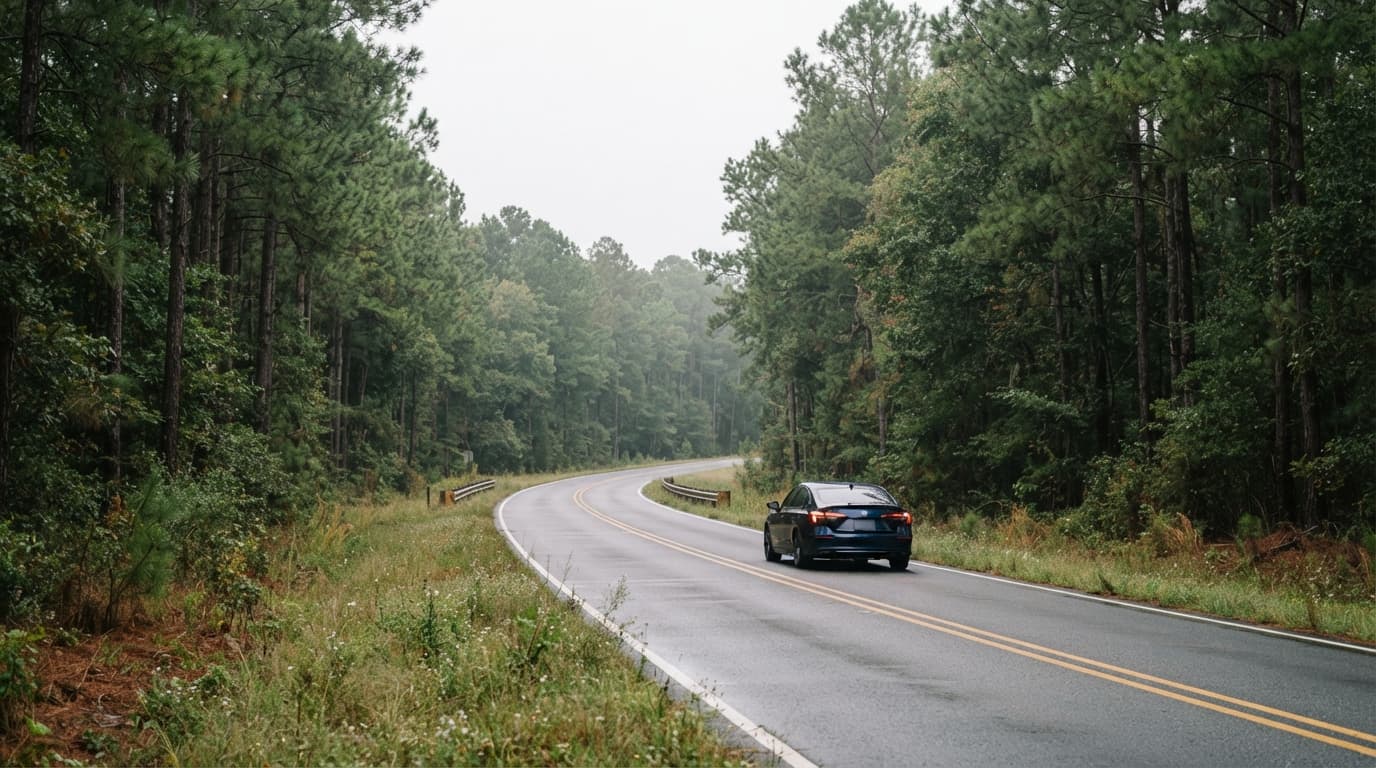
One of the biggest reasons Beaumont drivers choose higher uninsured motorist limits is the cost of injury treatment. A crash does not need to be catastrophic to become expensive. An ambulance ride, emergency evaluation, X-rays, CT scans, pain management, and follow-up appointments can add up quickly. If the injury involves the neck, shoulder, knee, or lower back, physical therapy may continue for weeks or months. Lost income can also become part of the picture when someone cannot return to work right away. For a household in Beaumont, Vidor, or Lumberton, those combined costs can create real pressure. Drivers comparing limits should think beyond the first hospital bill and consider the full recovery timeline, including treatment that starts days after the accident.
Vehicle Repair Costs Make Low Limits Risky
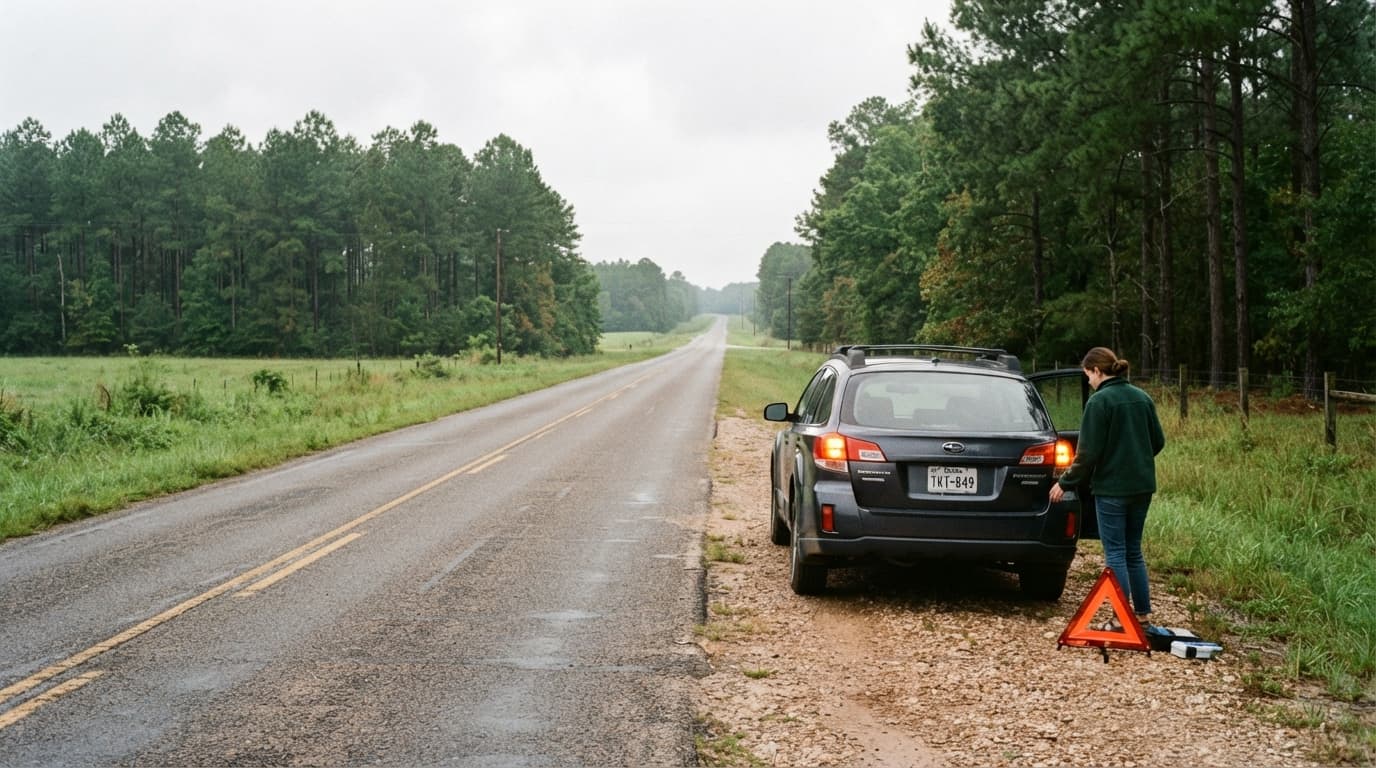
Repair costs are another reason minimum limits can leave gaps. Even a relatively common crash in Beaumont, such as rear-end damage in stop-and-go traffic near major shopping corridors or during rain-slick conditions, can involve more than a bumper replacement. Many vehicles now include blind-spot monitors, lane sensors, backup cameras, adaptive cruise hardware, and specialized paint finishes. That means a repair estimate may include parts, calibration, labor, and rental vehicle costs that are much higher than older assumptions. Drivers in places like Orange, Nederland, and Port Arthur who own newer trucks, SUVs, or family sedans should be especially careful here. If the at-fault driver has little or no insurance, lower UM property damage limits may not be enough to make the policyholder whole.
Example Scenarios That Show The Coverage Gap
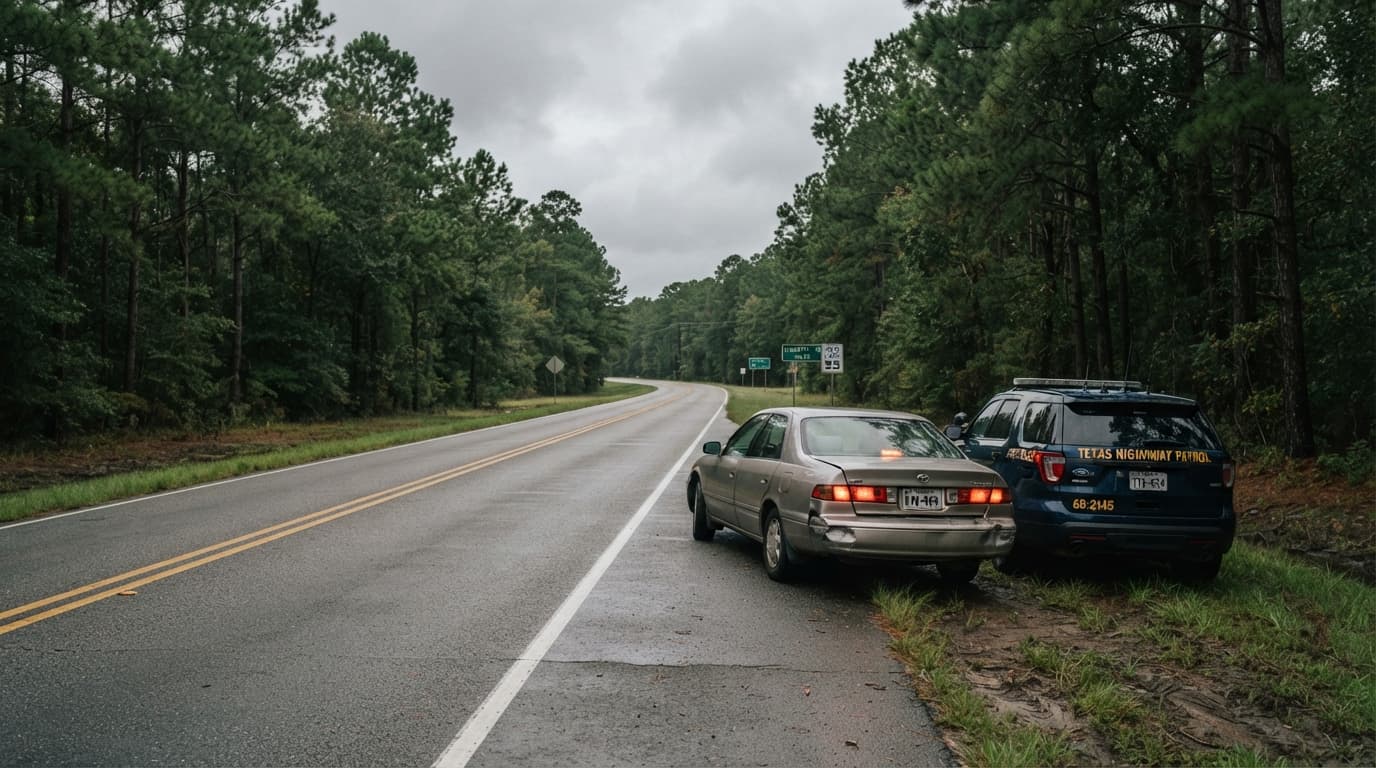
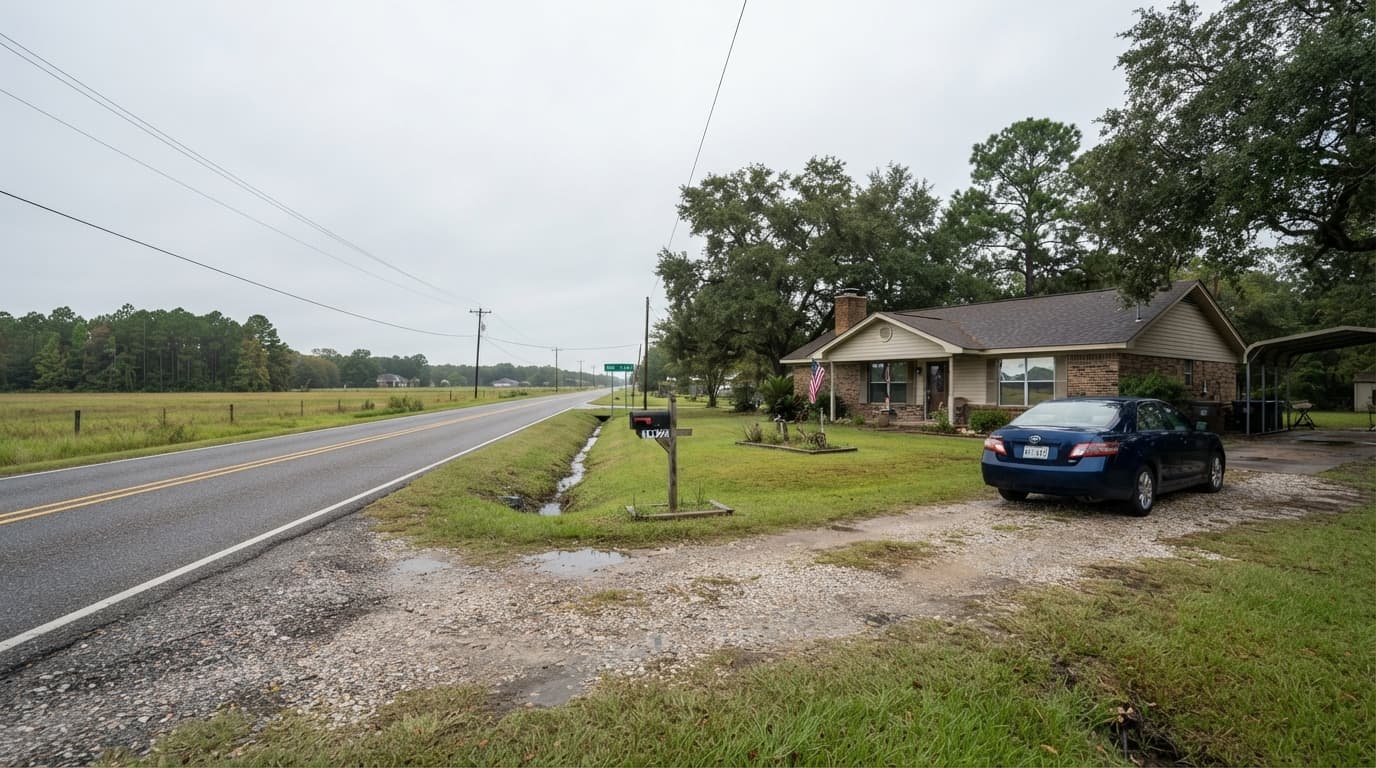
Consider three simple examples. First, a driver in Beaumont is hit by an uninsured motorist on I-10 and suffers a shoulder injury requiring imaging and therapy while the vehicle needs several thousand dollars in repairs. Second, a family from Port Neches is struck by a driver carrying only low liability limits, but two people in the car need medical care, quickly exhausting that policy. Third, a commuter from Groves is sideswiped by an underinsured driver, and the repair shop finds hidden damage to the suspension and sensor systems. In each case, the at-fault driver’s coverage may fall well short of the total loss. UM and UIM coverage can be what keeps the injured driver from paying out of pocket for someone else’s mistake.
Why Beaumont Area Driving Conditions Matter
Local driving conditions should shape the decision. Beaumont sees a mix of interstate traffic, industrial travel, commercial vehicles, and weather-related hazards that can increase accident severity. Heavy rain, standing water, reduced visibility, and congestion around work shifts or weekend travel can all raise the chance of a complicated collision. Drivers who regularly travel between Beaumont and nearby communities like Orange, Bridge City, Silsbee, or Kountze may spend more time on roads where speeds are higher and impacts are harder. That wider driving footprint increases exposure. Someone who mainly uses a vehicle for short local errands may view limits differently than a person with a daily regional commute, but both should still account for today’s medical and repair costs.
Key Takeaways For Choosing UM And UIM Limits
- Compare limits to real injury costs, not just state minimums. Emergency care, imaging, therapy, and lost wages can exceed low limits quickly after a Beaumont crash.
- Factor in the value and repair complexity of the vehicle. Newer models with sensors, cameras, and advanced safety systems often cost much more to fix.
- Think about how often and where the vehicle is driven, including commutes on I-10, regional trips to Port Arthur or Orange, and wet-weather exposure.
- Review household risk, not just one driver. If family members regularly ride in the vehicle, injury exposure may be higher than expected.
- Use quotes with multiple limit options so the price difference between basic and stronger protection is clear before deciding.

What To Do Before You Choose A Limit
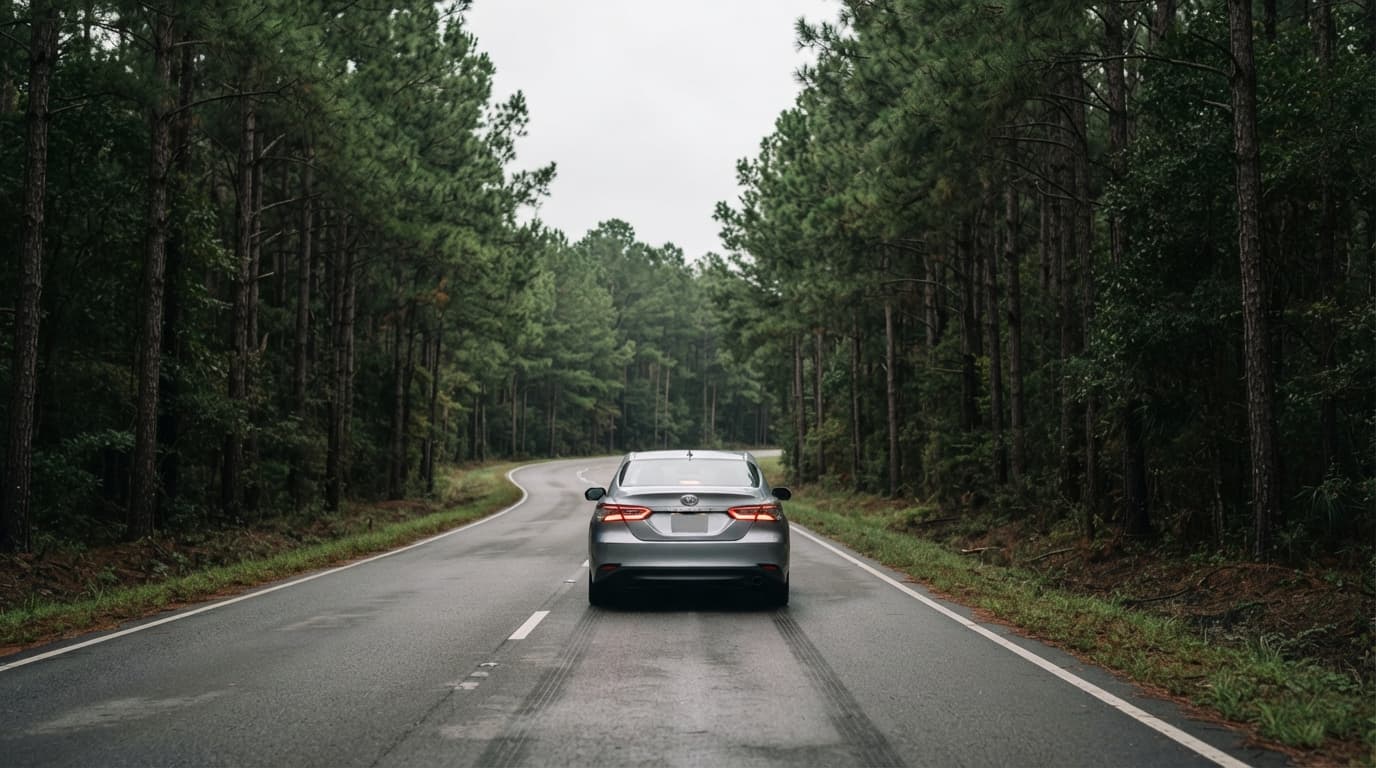
Before selecting a limit, gather a few practical details. Look at the value of the vehicle, whether it has advanced technology that raises repair costs, how many people usually ride in it, and how often it is driven around Beaumont and neighboring cities like Vidor, Nederland, and China. Then compare several UM and UIM options side by side. A higher limit may cost less than expected compared with the protection it provides after a serious crash. It also helps to review how uninsured motorist bodily injury and property damage work with the rest of the policy, including collision, medical-related coverages, and deductibles. The goal is to choose limits that match actual exposure rather than leaving a preventable gap when another driver cannot fully pay.