Start With Safety and Call for Help
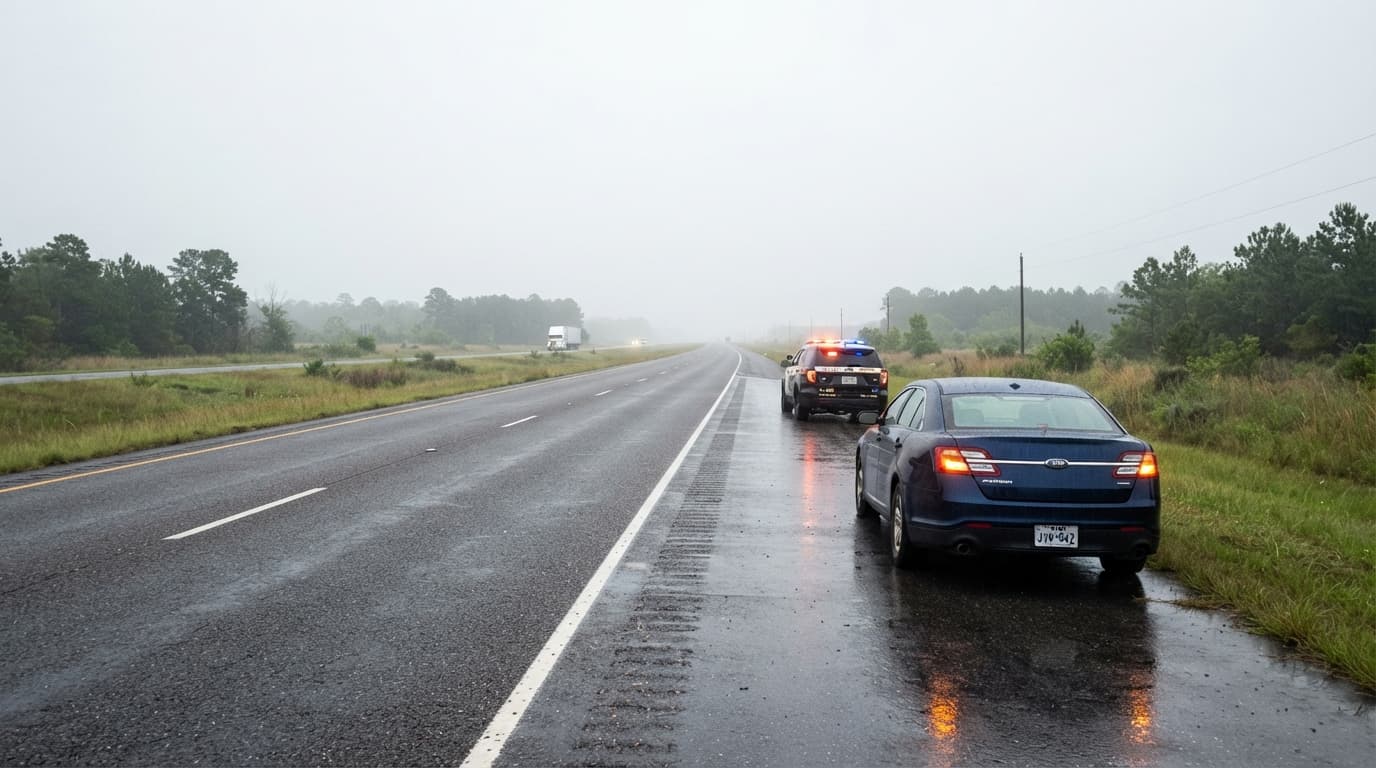
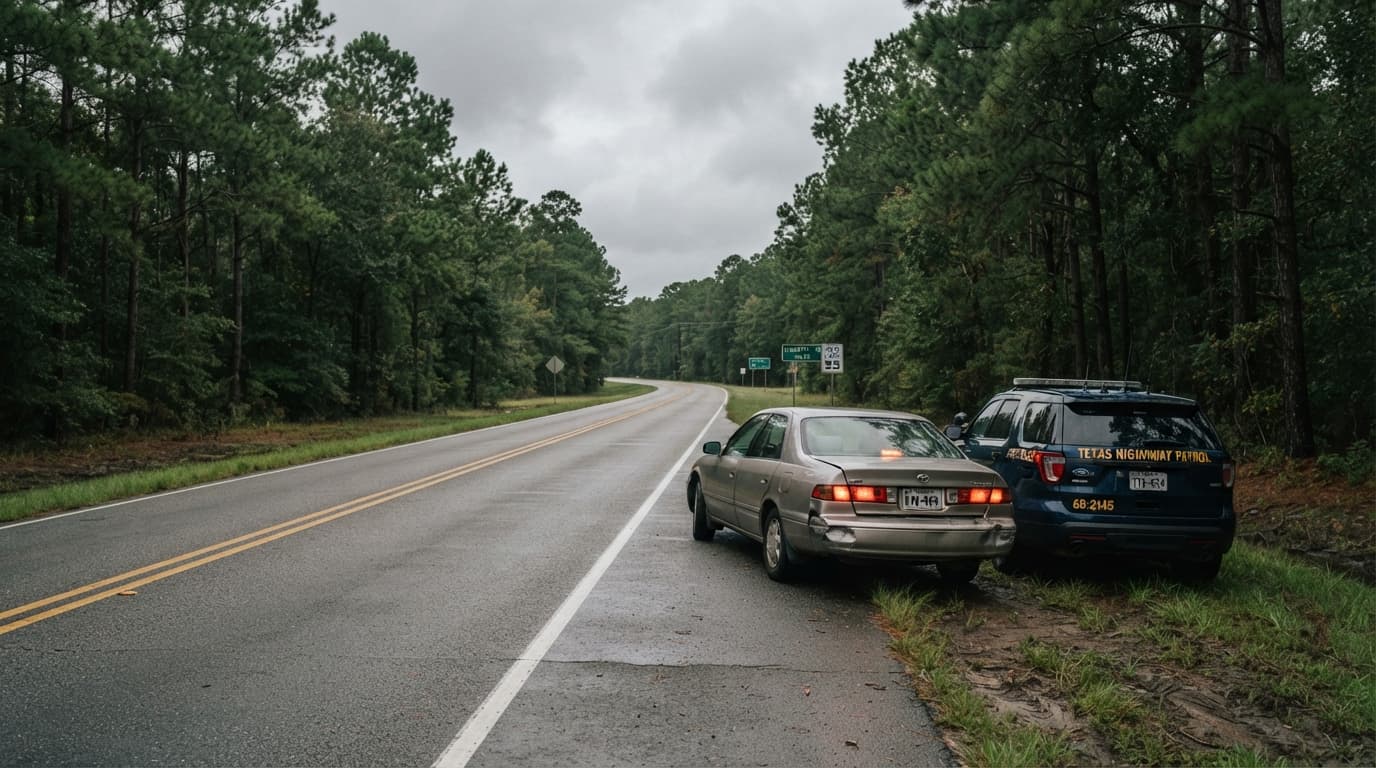
A hit-and-run crash can feel chaotic, especially if it happens on a busy stretch of Beaumont road like Interstate 10, College Street, or near Dowlen Road shopping traffic. The first priority is safety, not chasing the other driver. Move your vehicle out of traffic if it can be driven safely, turn on hazard lights, and check for injuries. If anyone is hurt, call 911 right away and request medical help. Even if injuries seem minor, adrenaline can hide pain for hours. Staying calm, getting to a safer location, and waiting for law enforcement can help protect both your health and your insurance claim.
Why Hit-and-Run Cases Require Quick Action
Hit-and-run accidents are different from ordinary fender benders because the missing driver creates an evidence gap from the very beginning. In Beaumont, that can be a real problem if the crash happens at night, during heavy rain, or in areas where traffic clears quickly. The sooner you report the accident and document what happened, the better your chances of preserving details that matter later. Insurance companies often look closely at timing, scene evidence, and witness statements in uninsured motorist claims. Waiting too long can make it harder to confirm damage, connect injuries to the crash, or identify the other vehicle through cameras or nearby businesses.
Get the Best Details You Can About the Other Vehicle
If you saw any part of the fleeing vehicle, write it down immediately while it is still fresh. Even a partial license plate, vehicle color, make, model, body style, bumper sticker, or damage pattern can help police. Try to remember which direction the driver went and whether the crash happened near an intersection, business, school, or highway ramp in Beaumont. If a passenger was with you, ask that person to write down a separate account too. Small details often become important later. A silver pickup heading toward Port Arthur, for example, gives investigators much more to work with than simply saying the driver sped away.
Report the Crash to Police and Ask How to Get the Report
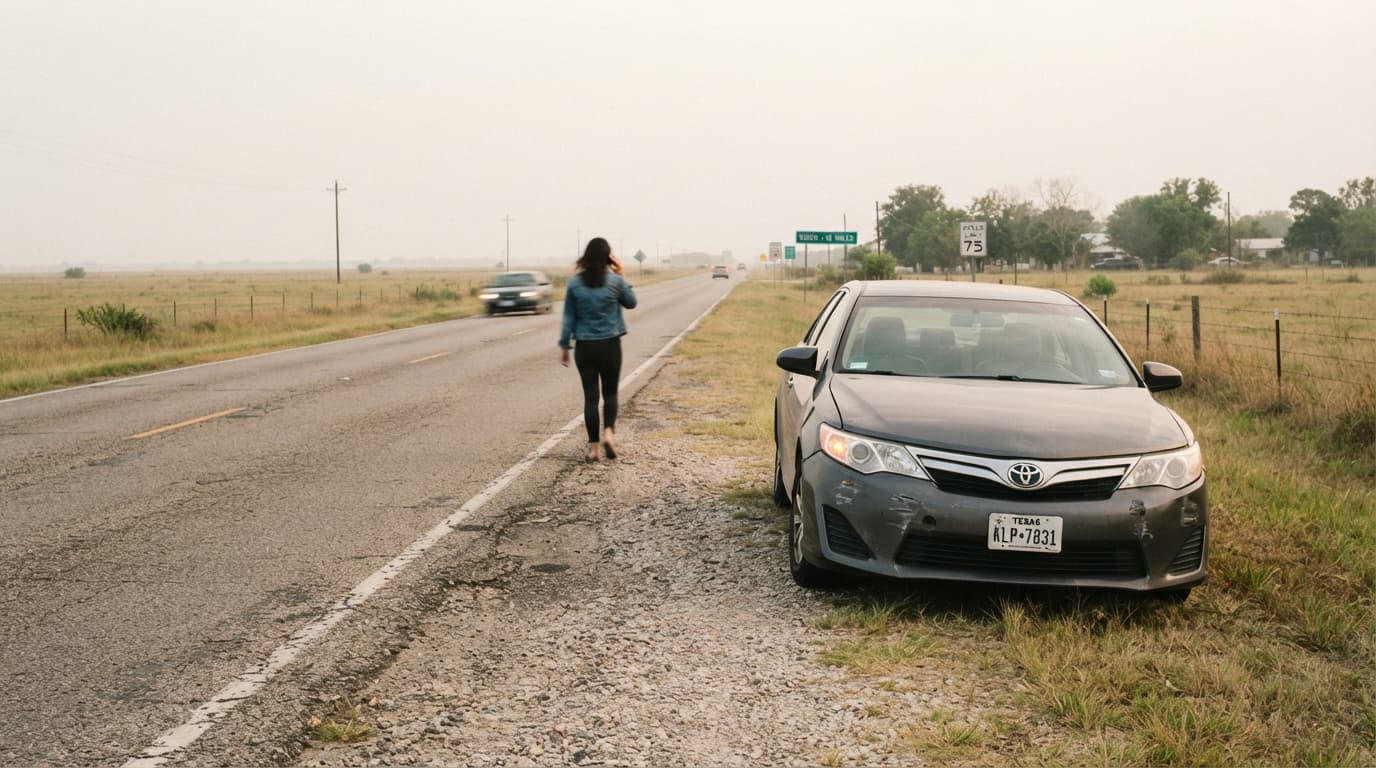
A police report is one of the most important documents in a hit-and-run case. When officers arrive, give a clear, factual description of what happened and avoid guessing about details you did not see. Explain where your vehicle was, how the impact occurred, and what you observed about the other driver or vehicle before it left. In Beaumont and surrounding areas like Vidor, Orange, and Nederland, location details can help officers look for cameras, traffic footage, or nearby witnesses. Before leaving, ask for the report number and where to request a copy. Your insurer will usually want that report when evaluating a claim.
Take Photos, Video, and Notes Before the Scene Changes
Use your phone to photograph vehicle damage from several angles, skid marks, broken glass, debris, street signs, lane markings, weather conditions, and any visible injuries. If the crash happened near a recognizable Beaumont landmark or business, capture that too because it helps establish the exact location. Record a short voice memo describing what happened while the timeline is still clear in your mind. Note the time, traffic conditions, and whether there were cameras nearby. If you later discover soreness in your neck, back, or shoulder, these early records can help show how serious the impact was, even when the at-fault driver was never identified.
Look for Witnesses and Nearby Camera Footage
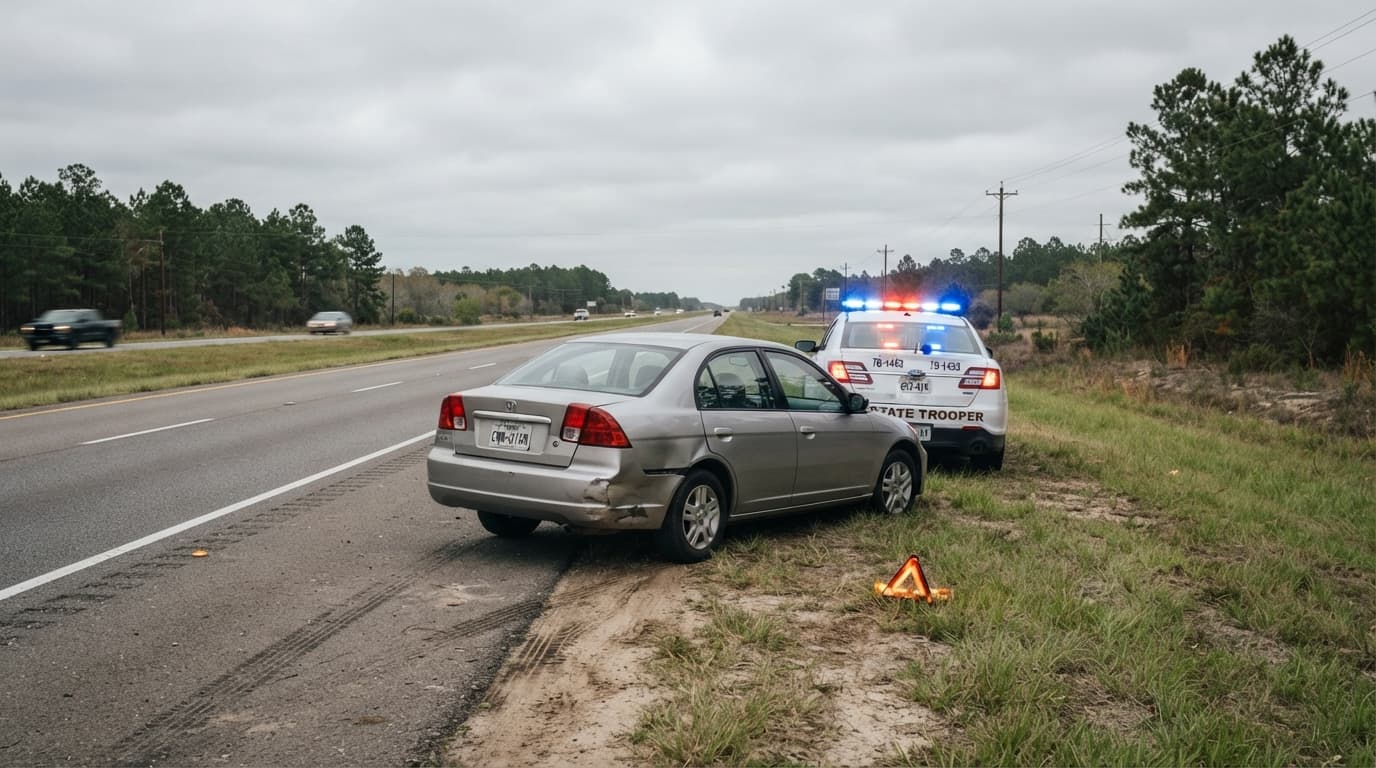
Witnesses can make a major difference in a hit-and-run claim, especially when they saw the vehicle leave or noticed a plate number you missed. Talk to nearby drivers, pedestrians, store employees, or homeowners if the crash happened in a neighborhood or commercial corridor. Ask for names and contact information, and note what each person saw. In Beaumont, Port Neches, Groves, and Bridge City, many intersections and businesses have exterior cameras, but footage may be overwritten quickly. If you noticed a gas station, bank, school, or retail center nearby, make a note of it right away so law enforcement or your insurer can follow up before video disappears.
How Uninsured Motorist Coverage May Apply
When the at-fault driver cannot be found, uninsured motorist coverage may be the part of the policy that helps. In many hit-and-run situations, drivers in Beaumont use uninsured motorist bodily injury coverage for medical bills, lost wages, and pain-related losses, while uninsured motorist property damage may help with vehicle repairs, depending on the policy details. Collision coverage may also come into play for damage to your car. The key point is that a hit-and-run driver is often treated similarly to an uninsured driver for claim purposes. Review your declarations page carefully and report the loss promptly so deadlines and documentation requirements are not missed.
Why Local Conditions in Beaumont Matter
Beaumont driving conditions can shape both the accident itself and the claim that follows. Heavy rain, reduced visibility, refinery-area traffic, highway merging around I-10 and U.S. 69, and congestion near shopping corridors can all affect how a hit-and-run unfolds. A crash in Beaumont may also involve drivers moving between nearby communities like Lumberton, Silsbee, Orange, or Port Arthur, which can make tracking the fleeing vehicle harder. That is why location-specific details matter so much. Mention the lane you were in, the direction of travel, nearby businesses, and road conditions. Local context helps police and insurers understand exactly what happened instead of treating the incident like a vague report.
Key Takeaways for Beaumont Drivers
- Get to safety first, call 911 if anyone may be injured, and never chase the fleeing vehicle.
- Write down every detail you remember about the other vehicle, even if it seems minor or incomplete.
- Ask for a police report number before leaving the scene and keep a copy for your claim file.
- Photograph damage, debris, the roadway, nearby landmarks, and any injuries as soon as possible.
- Look for witnesses and possible camera locations near businesses, intersections, or parking lots.
- Review whether uninsured motorist, property damage, or collision coverage may respond to the loss.

Next Steps After You Leave the Scene
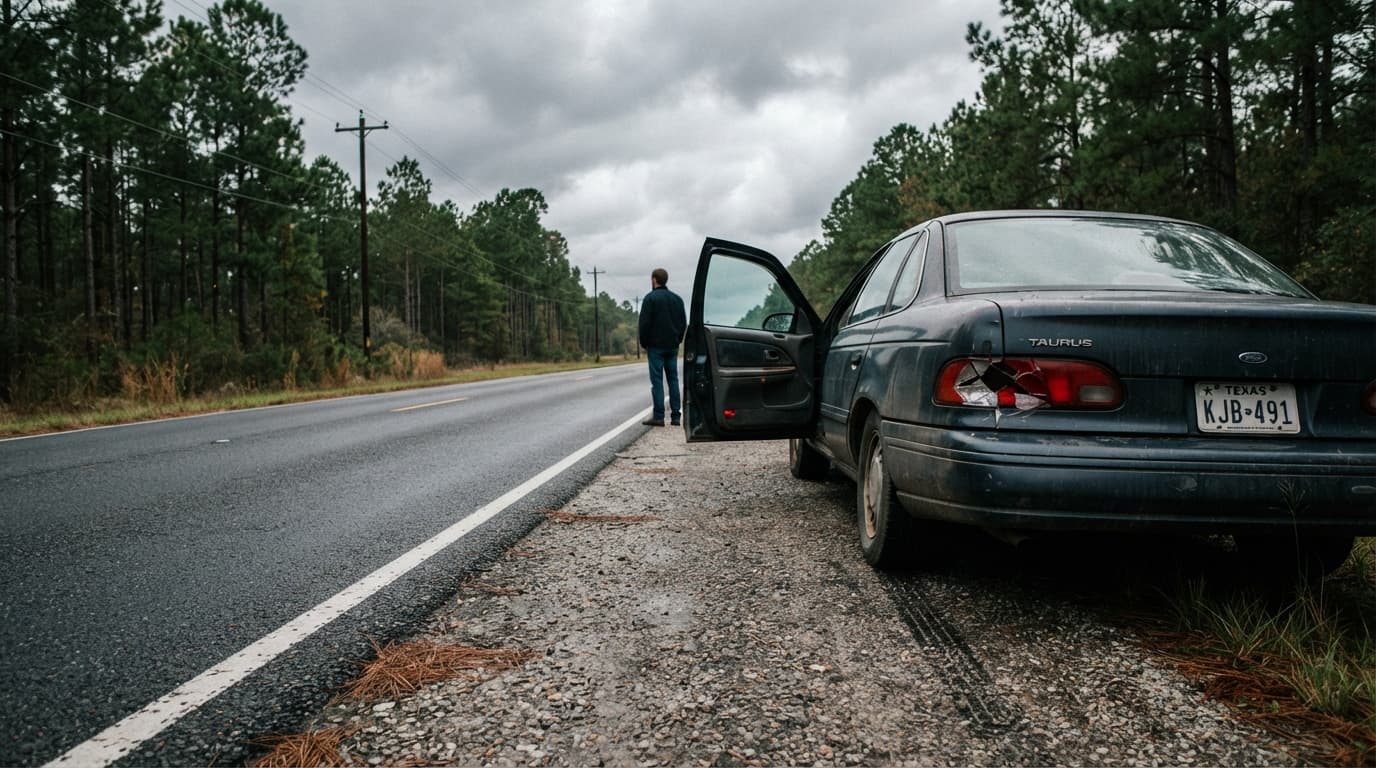
Once you are home or in a safe place, organize everything in one file: photos, witness contacts, medical paperwork, repair estimates, towing receipts, and the police report number. Report the claim to your insurer as soon as possible and be ready to explain the sequence of events clearly and consistently. If you feel pain later that day or the next morning, seek medical attention and mention that it followed a hit-and-run crash. Delayed symptoms are common after auto accidents. For Beaumont drivers, the smartest next step is comparing how your current policy handles uninsured motorist protection, deductibles, rental reimbursement, and collision repairs so you are better prepared if this happens again.