Why This Coverage Question Matters In Beaumont
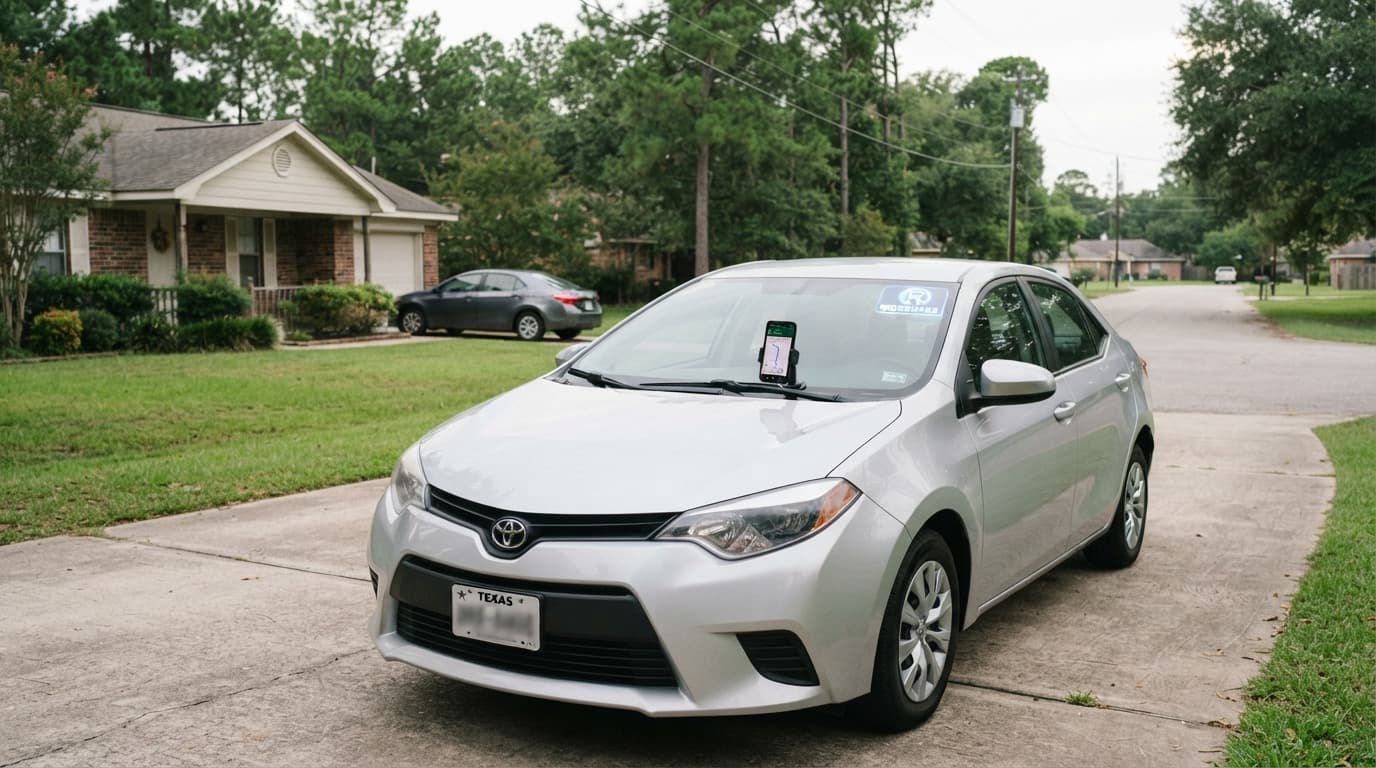
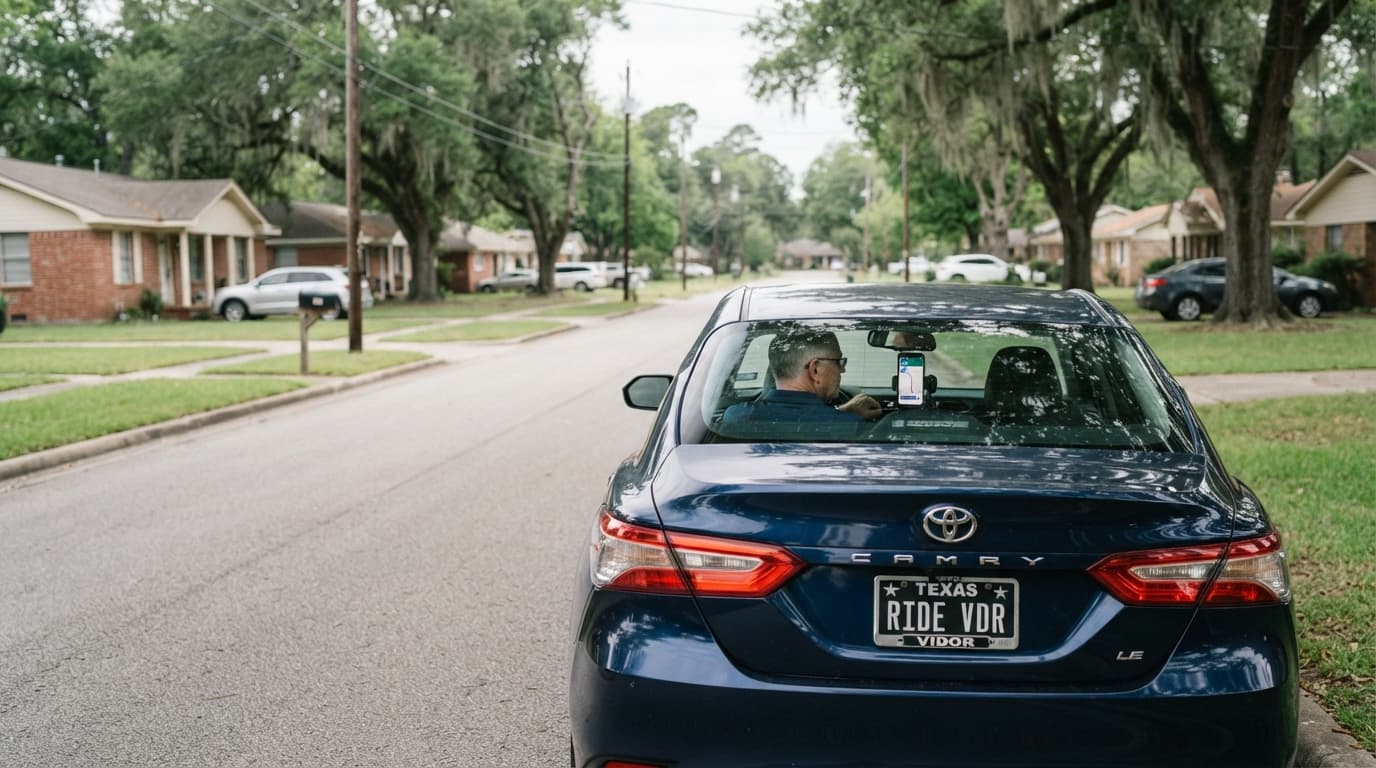
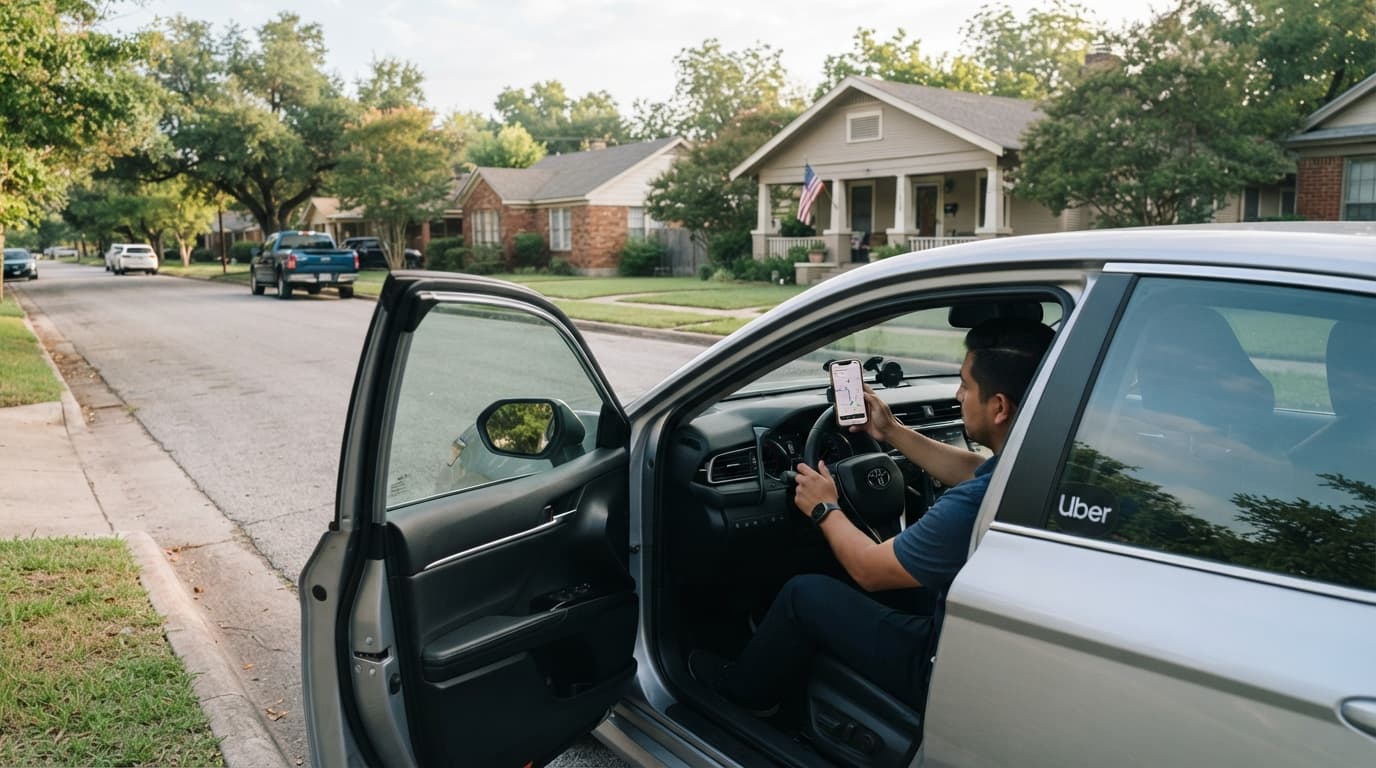
A lot of Beaumont drivers turn to rideshare work for extra income, whether that means evening airport trips, weekend bar traffic, or short local runs between neighborhoods and shopping areas. The problem is that many people assume their regular personal auto policy follows them the same way once an app is on. In many cases, it does not. Personal auto insurance is usually priced for everyday private driving, not for carrying paying passengers or being available for hire. If a crash happens during app use, the difference between personal coverage and rideshare coverage can become very expensive very quickly. Understanding that distinction before an accident happens is one of the smartest steps a local driver can take.
How Personal Auto Policies Usually Treat Driving For Pay
Standard personal auto insurance is generally built around commuting, errands, school pickups, and other noncommercial use. Once a vehicle is used to earn money, the policy may apply a livery or public conveyance exclusion. In plain language, that means the insurer can limit or deny coverage for certain claims connected to transporting passengers for a fee. The exact wording varies by carrier, but the risk issue is similar across the market. A driver in Beaumont might be fully insured while heading to the grocery store, then face a coverage problem the moment the rideshare app is on and the vehicle is available for a fare. That shift catches many new rideshare drivers off guard because nothing about the car itself changed, but the policy risk did.
Where The Biggest Coverage Gaps Usually Appear
The most important concept for rideshare drivers to understand is the gap between personal use and the different app periods. When the app is off, a personal auto policy generally works as expected. When the app is on and the driver is waiting for a ride request, coverage can become murky if the personal policy excludes business use and the rideshare company offers only limited protection. Once a ride is accepted or a passenger is in the car, the rideshare company may provide higher limits, but deductibles and physical damage conditions can still matter. For Beaumont drivers, that means one accident on College Street, I-10, or near Downtown could trigger a claim dispute over exactly what phase of app activity was happening at the time.
What Rideshare Coverage Is Designed To Do
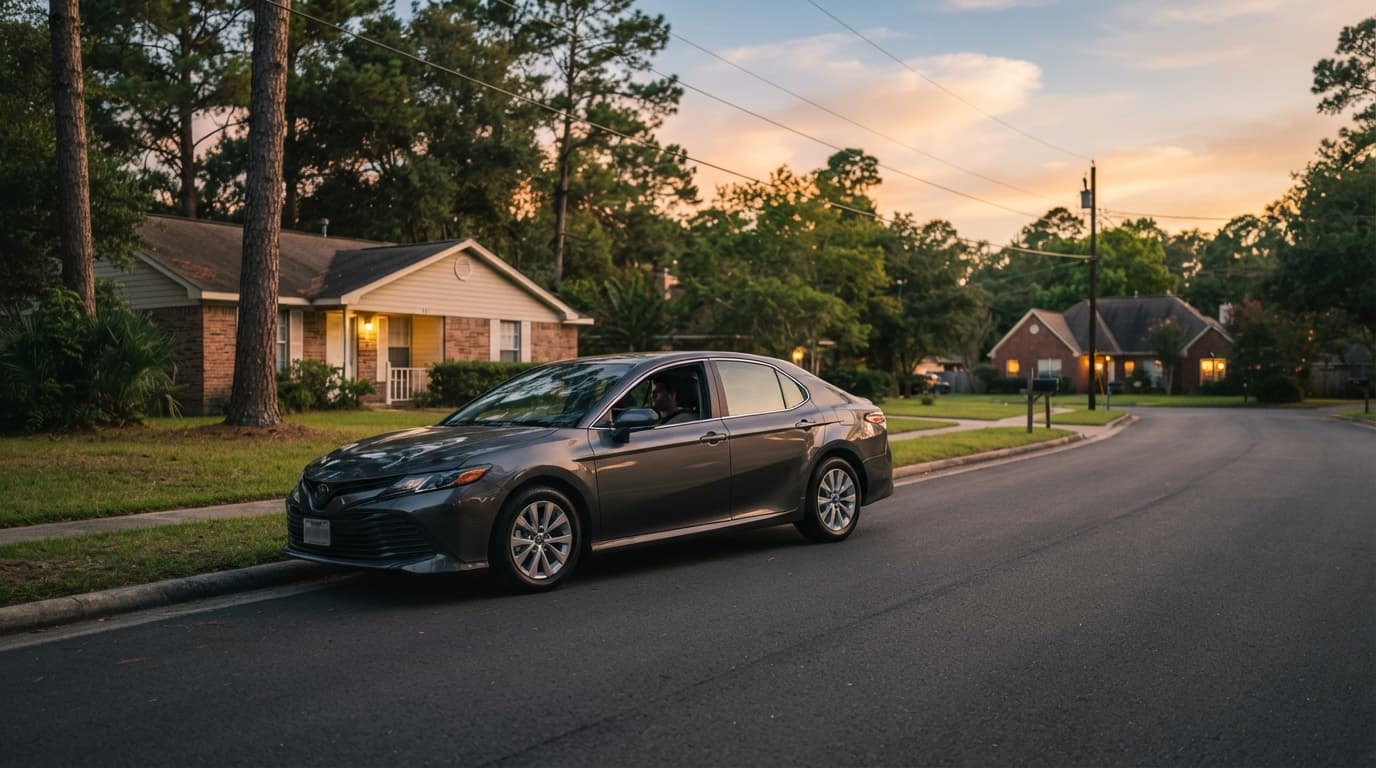
Rideshare coverage, often added as an endorsement to a personal auto policy, is meant to help bridge the gap between ordinary personal driving and app-based driving for pay. It may extend certain coverages during the period when a driver is logged into the app but has not yet accepted a passenger. In some cases, it can also help align deductibles or preserve physical damage coverage that might otherwise be excluded. This does not mean every endorsement works the same way, so Beaumont drivers should look closely at liability, collision, comprehensive, uninsured motorist, and deductible terms. The real value is not just having a label that says rideshare, but having coverage that fits the actual way the vehicle is being used on a day-to-day basis.
Why App Company Insurance Is Not Always Enough
Many drivers assume the rideshare platform's insurance solves the problem completely, but that can be a costly misunderstanding. Company-provided coverage often depends on app status, may include higher deductibles than a driver expects, and may not protect the car itself unless the driver already carries certain coverages personally. There can also be limits on what is covered between trips or while waiting for a match. If a Beaumont driver has a financed vehicle, a denied physical damage claim could create a serious out-of-pocket problem even if no one was badly hurt. The key takeaway is that platform coverage and personal insurance are not interchangeable. They work together only when the policy structure has been reviewed carefully and the business use has been disclosed.
Common Real-World Situations Beaumont Drivers Should Think About
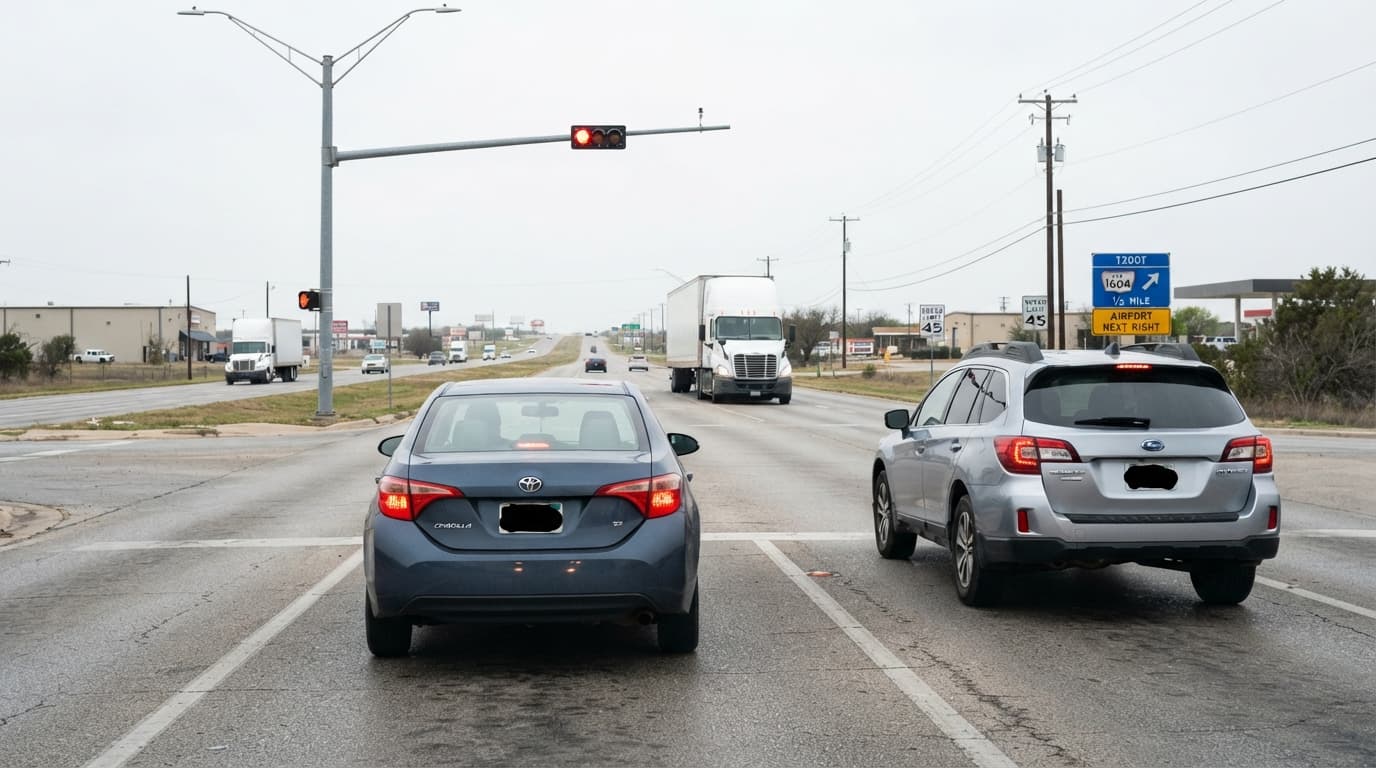
Consider a driver waiting near Parkdale Mall for a request, another making airport pickups from Jack Brooks Regional Airport, or someone taking late-night trips between Beaumont and Port Arthur. In each situation, the road risk is normal traffic risk, but the insurance status may be very different depending on whether the app is off, on, matched, or carrying a passenger. Another common issue involves personal errands mixed into rideshare driving, such as grabbing fuel or food between trips. Claims can become more complicated when timelines are unclear. That is why drivers should keep accurate records, understand app period definitions, and review whether their current policy specifically permits rideshare activity. The question is not just whether an accident happens, but how the insurer classifies what you were doing at that exact moment.
Local Factors That Make This Important Around Beaumont
Beaumont driving conditions add another layer to the rideshare coverage discussion. Local drivers deal with heavy rain, refinery-area traffic, interstate congestion, bridge routes, and regular travel between Beaumont, Orange, Nederland, Groves, Port Neches, and Port Arthur. That means more time in mixed traffic environments and more opportunities for low-speed fender benders or larger injury claims. Event traffic, nightlife, and airport runs can also increase exposure during the very hours many rideshare drivers are active. In a city like Beaumont, where trips may quickly move from neighborhood streets to major corridors, policy details are not a technical footnote. They directly affect whether a driver has dependable protection when using a personal vehicle to generate income.
Key Takeaways Before You Drive For Pay
What To Review
- Check whether your personal auto policy excludes carrying passengers for a fee or other business use.
- Confirm what coverage applies when the rideshare app is on but no trip has been accepted yet.
- Review collision and comprehensive coverage carefully, especially if your vehicle is financed or leased.
- Compare deductibles between your policy and the rideshare platform's coverage so there are no surprises after a claim.
- Make sure uninsured and underinsured motorist protection still makes sense for Beaumont traffic conditions.
- Tell the insurer about rideshare activity up front so there is a clear record of how the vehicle is being used.

Next Steps For Comparing Coverage In Beaumont
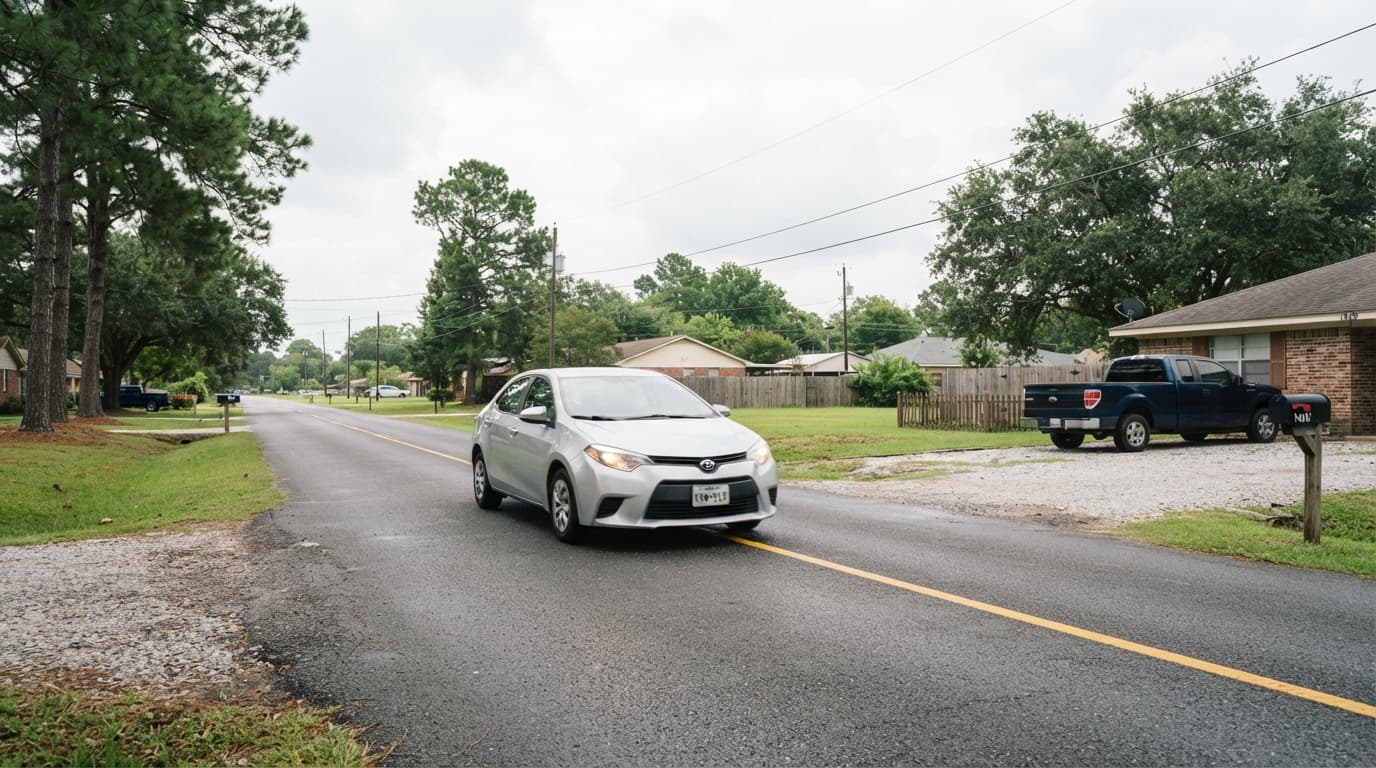
If you drive in Beaumont for Uber, Lyft, or another app-based platform, the most practical next step is to compare your current personal policy against a rideshare-compatible option line by line. Look at liability limits, physical damage coverage, deductibles, exclusions, and whether there is a specific endorsement for app-based driving. It also helps to think realistically about where and when you drive, whether that is local commuting hours, airport runs, or regional trips toward Vidor, Orange, or Lumberton. The goal is simple: avoid finding out after a claim that personal coverage stopped where business use began. A careful review before your next shift can save money, protect your car, and reduce the chance of a denied claim.