The Coverage Question Many Beaumont Drivers Overlook
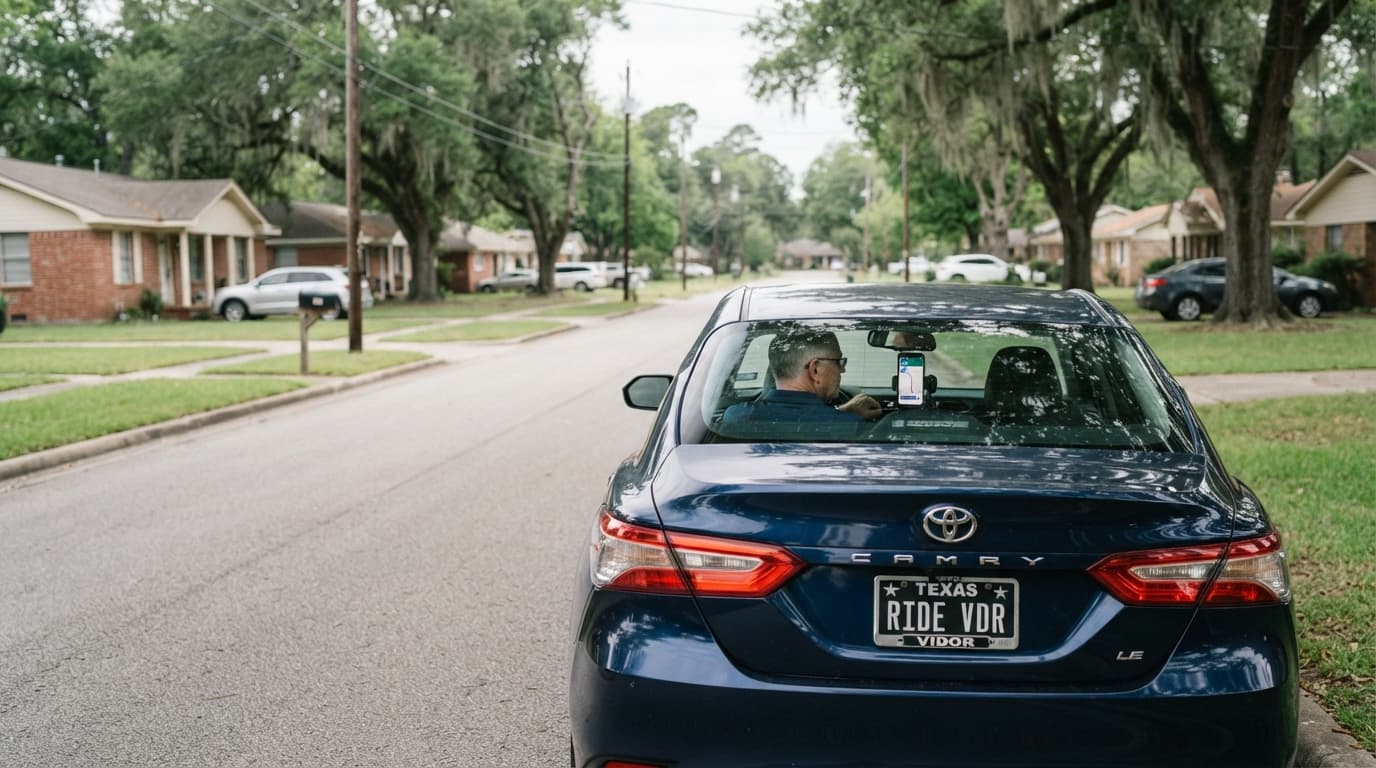
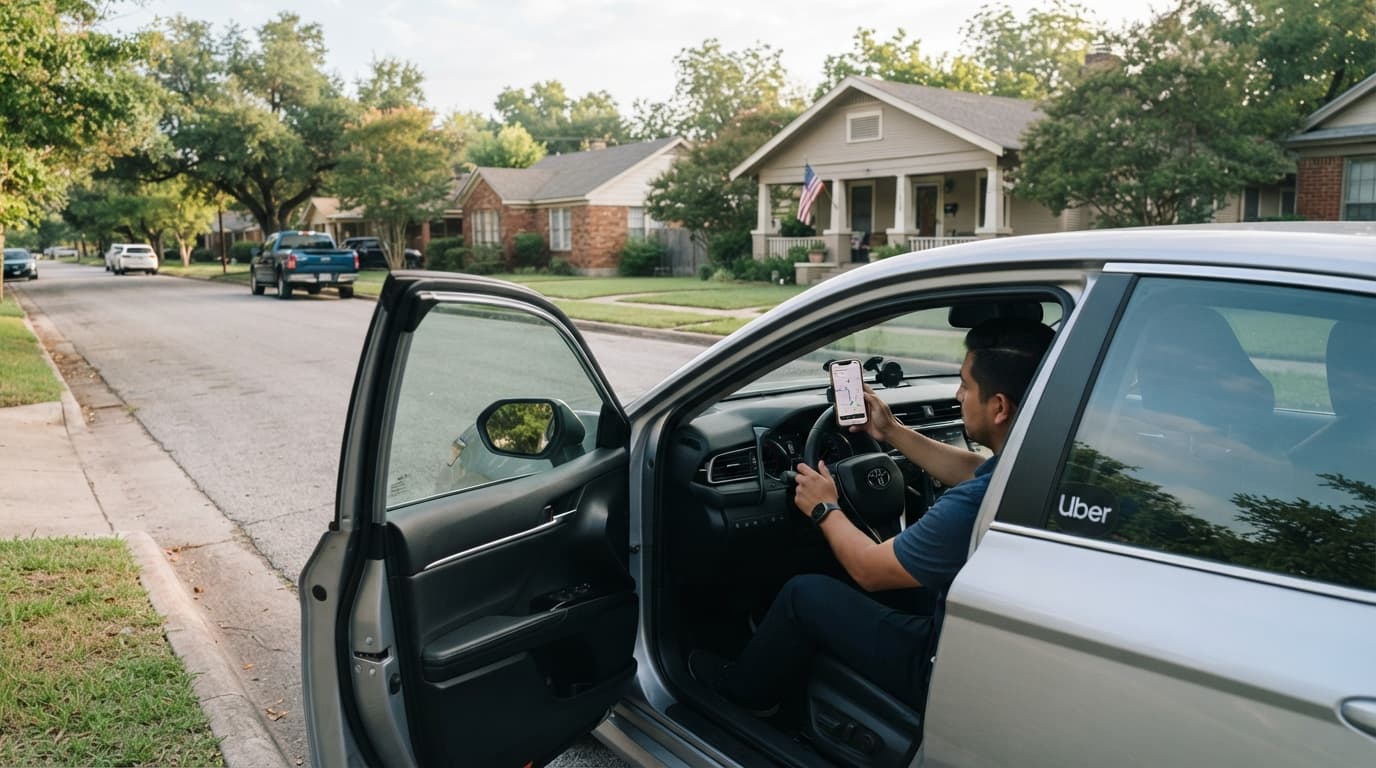
Driving for Uber or Lyft in Beaumont can seem straightforward from an insurance standpoint. Many drivers assume their personal auto policy handles everyday driving and the rideshare company handles everything else. The problem is that the handoff is not always seamless. There can be periods when the app is on, but no passenger is in the car, and those moments may create a real coverage gap. If a crash happens near Dowlen Road, Interstate 10, or while waiting around Parkdale Mall for a fare, the details of when the app was on and what phase of the trip you were in can matter a lot. This guide explains where those gaps can appear and how rideshare coverage can help.
Why This Matters More As Rideshare Use Grows
Beaumont drivers are using rideshare platforms in a mix of everyday commuting, airport runs, late-night pickups, and weekend demand tied to restaurants, events, and travel between Beaumont, Port Arthur, and Orange. As more local drivers use their own vehicles to earn extra income, insurance questions become more important. A standard personal auto policy is generally built for private use, not commercial or for-hire activity. That means an insurer may deny a claim if a vehicle is being used for rideshare work without the right endorsement or separate policy feature. For drivers trying to protect their car, their finances, and their ability to stay on the road, understanding that distinction before an accident happens is far better than learning it during a claim investigation.
Where The Personal Auto Policy Can Stop Helping
The biggest misunderstanding usually involves the time after a driver turns the app on but before a ride request is accepted. During that waiting period, a personal auto insurer may argue the vehicle is being used for business purposes, which can limit or exclude coverage depending on the policy language. Many rideshare platforms provide some liability protection during this period, but that does not necessarily mean your own vehicle damage is covered, and it may not mirror the protection you have on your personal policy. If you rely on your car daily in Beaumont, a denied collision or comprehensive claim after an accident could leave you paying out of pocket for repairs, towing, rental costs, and lost driving income.
How Uber And Lyft Coverage Typically Works By Trip Phase
Rideshare insurance usually changes based on what the driver is doing at the time of the loss. Period one is when the app is on and the driver is available but has not accepted a ride. Period two starts after a ride is accepted and the driver is on the way to pick up the passenger. Period three begins once the passenger is in the vehicle and lasts until the trip ends in the app. Coverage is often strongest in periods two and three, but drivers should not assume every expense is automatically paid. Deductibles can be high, and vehicle damage protection may only apply if the driver already carries certain coverages on the personal policy. That is why Beaumont drivers should compare the platform's terms against their own auto policy carefully.
Why Waiting For Rides Can Be The Riskiest Gap
For many Beaumont rideshare drivers, the highest-risk insurance issue is not when a passenger is in the back seat. It is the in-between time spent waiting for the next request near busy corridors like College Street, Calder Avenue, or routes heading toward Lamar University and local hotels. Traffic congestion, sudden lane changes, and distracted motorists can lead to accidents even when you are simply cruising or parked nearby waiting for work. If your personal policy excludes rideshare activity and the platform's coverage during that period is limited, you could face lower liability limits than expected or no help for damage to your own vehicle. A rideshare endorsement is designed to make that awkward middle period less financially dangerous.
What Rideshare Coverage Can Actually Add
Rideshare coverage is usually an endorsement added to a personal auto policy, though options vary by insurer. Its main purpose is to bridge the gap between personal driving and rideshare activity. Depending on the carrier, it may extend important protections during the app-on waiting period, align deductibles more favorably, or preserve coverage that otherwise might be excluded. For Beaumont drivers, that can mean better continuity from personal errands to paid driving without having to guess whether a claim will be denied because a rideshare app was active. It can also make your policy easier to understand because the personal insurer already knows the vehicle is being used for Uber or Lyft work, reducing surprises when a claim is filed.
Local Driving Conditions In Beaumont Make Details Matter
Beaumont has a driving environment that makes insurance details especially important. Heavy rain, tropical weather, flood-prone streets, highway traffic, refinery-related commuter patterns, and long drives between nearby cities all increase exposure for rideshare drivers. A driver may start a shift in Beaumont, pick up in Nederland, drop off in Port Arthur, then head back through busy corridors toward Vidor or Orange while waiting for another request. Each leg of that workday adds mileage, claim exposure, and time spent in the app-on phase. Local drivers also face the practical issue that a damaged car can shut down both personal transportation and income at once. That is why the right policy setup is not just a technical concern; it affects day-to-day financial stability.
Key Takeaways For Beaumont Rideshare Drivers
What To Review Before Your Next Shift
- Confirm whether your personal auto policy excludes driving for hire or app-based transportation, even when no passenger is in the vehicle.
- Review how Uber or Lyft coverage changes during the waiting, pickup, and passenger-trip phases so you know when limits and deductibles shift.
- Ask specifically whether a rideshare endorsement helps cover damage to your own vehicle during app-on time, not just liability to others.
- Check deductibles, rental reimbursement options, and whether lost use of your car could disrupt your ability to earn income around Beaumont and nearby cities.
- Update your insurer if you recently started driving in Beaumont, Vidor, Port Neches, Groves, or other surrounding areas instead of assuming occasional trips are automatically covered.

What To Do Next Before You Keep Driving
If you drive for Uber or Lyft in Beaumont, the smartest next step is to review both your personal auto policy and the rideshare platform's insurance summary side by side. Focus on what happens when the app is on, when you are en route to a pickup, and when a passenger is in the car. Ask clear questions about exclusions, deductibles, collision coverage, and whether a rideshare endorsement is available for your vehicle. It also helps to compare options if you regularly drive beyond Beaumont into Lumberton, Silsbee, Kountze, Bridge City, or China, where mileage and exposure can add up quickly. A small policy adjustment now may prevent a much larger financial problem after an accident.