Why Comprehensive Coverage Matters in Beaumont
Many drivers hear the word comprehensive and assume it means full protection for anything that happens to a car. It does not work that way, but it is still one of the most useful parts of an auto policy for Beaumont drivers. Comprehensive coverage is designed for damage caused by events other than a collision, which matters in a place where hail, heavy rain, falling limbs, theft, and vandalism can all create expensive repair bills. If your vehicle is parked at home, outside at work, or in a shopping lot near Dowlen Road or College Street, risks still exist even when you are not driving. This guide breaks down what comprehensive coverage usually pays for and how it applies to everyday life in Beaumont, TX.
What Comprehensive Coverage Is and How It Fits Into a Policy
Comprehensive coverage is the part of auto insurance that typically helps pay for non-collision damage to your vehicle. In simple terms, if something happens to your car that is not a crash with another vehicle or a fixed object, comprehensive is often the coverage that responds. It is commonly paired with collision coverage, but they are not the same. Collision generally applies when you hit something or something hits you in a driving-related impact. Comprehensive usually applies to events like hail, theft, broken glass, fire, vandalism, and animal strikes. Lenders often require it on financed vehicles, but even drivers who own their cars outright may want it if replacing or repairing the vehicle out of pocket would be difficult.
Theft, Vandalism, and Broken Glass
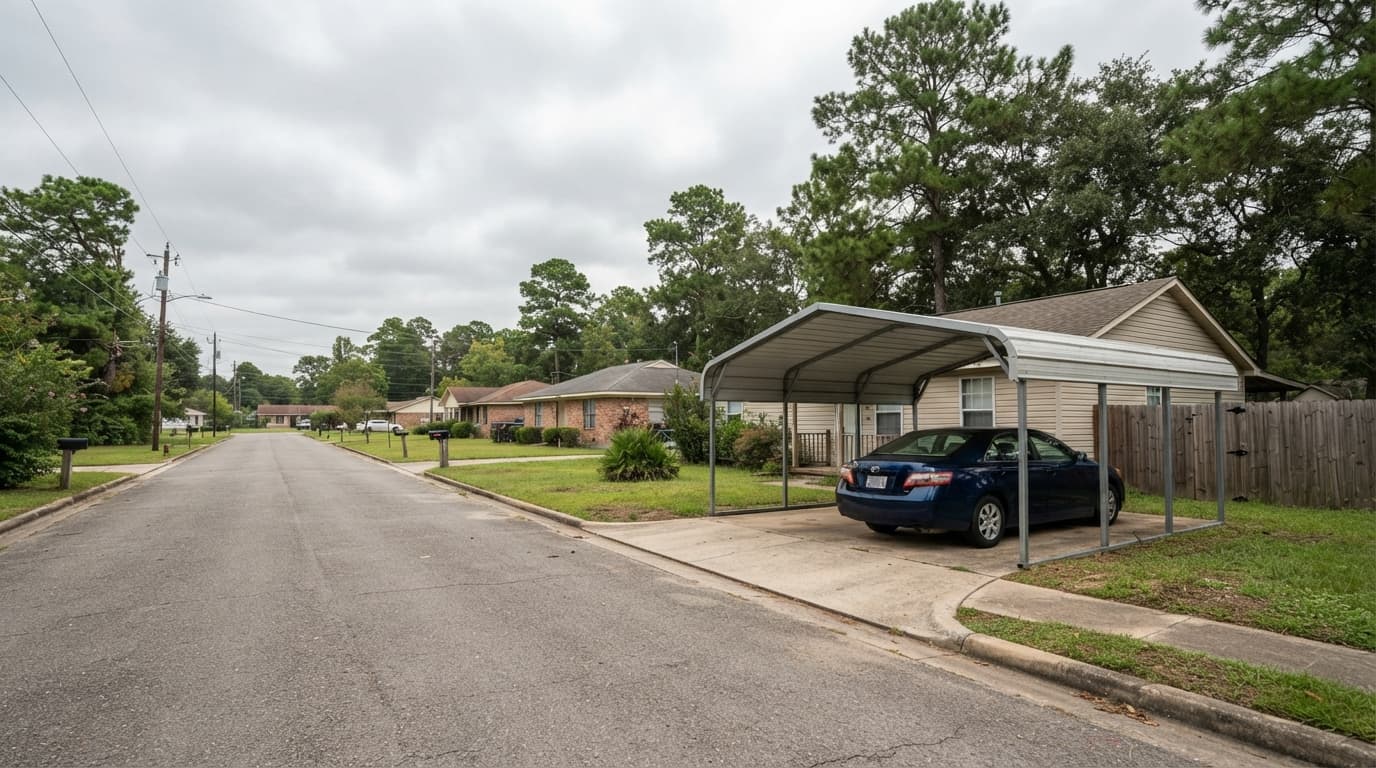
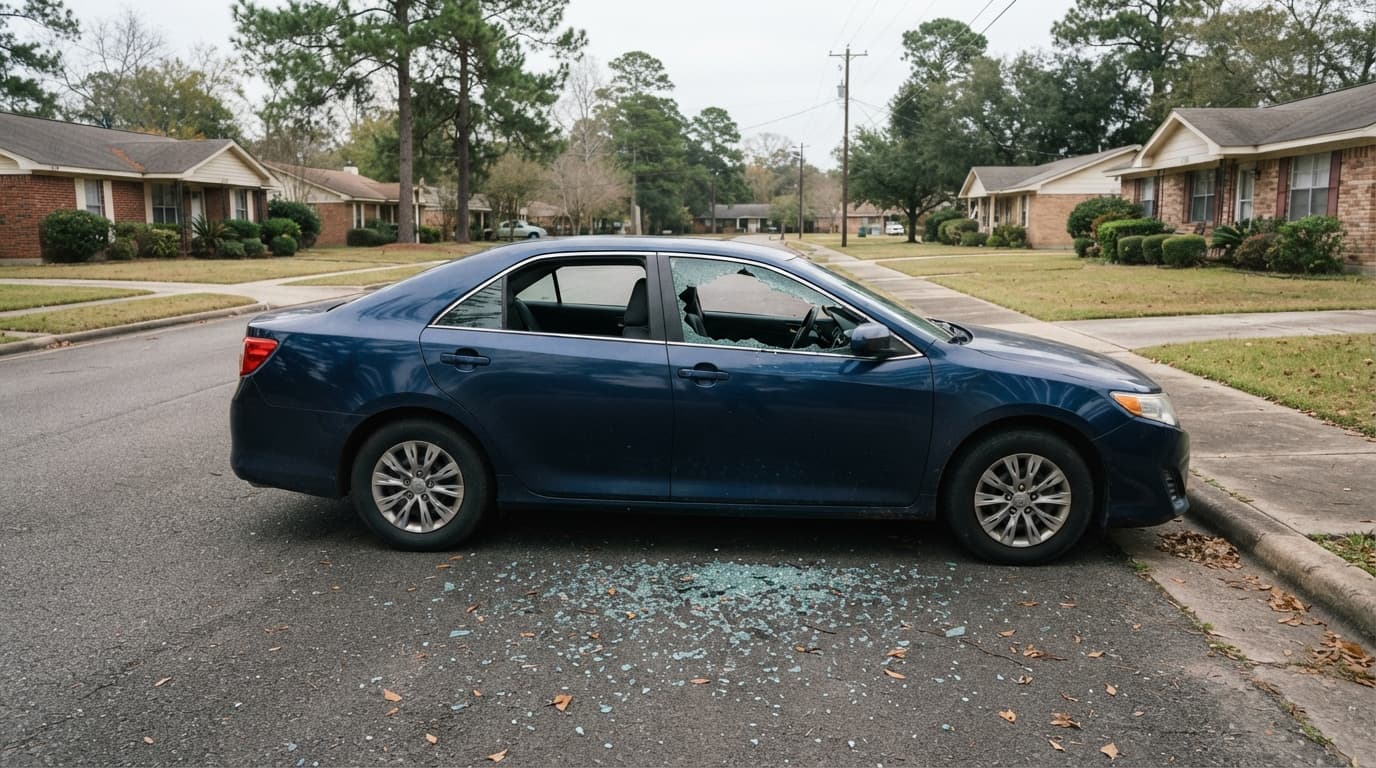
One of the clearest uses for comprehensive coverage is when a vehicle is stolen or damaged by theft-related activity. If someone steals your car, strips parts, breaks a window to get inside, or damages locks and ignition components, comprehensive coverage may help with the loss, subject to your deductible and policy terms. It also often applies to vandalism, such as keyed paint, broken mirrors, or intentional body damage. For Beaumont drivers who park at apartment complexes, workplaces, schools, or public lots, these risks are not hypothetical. Even a single smashed window and interior cleanup can become an expensive repair. Comprehensive coverage can also help with windshield and other glass damage from road debris or random impact when no crash actually occurred.
Hail, Storm Damage, and Falling Objects
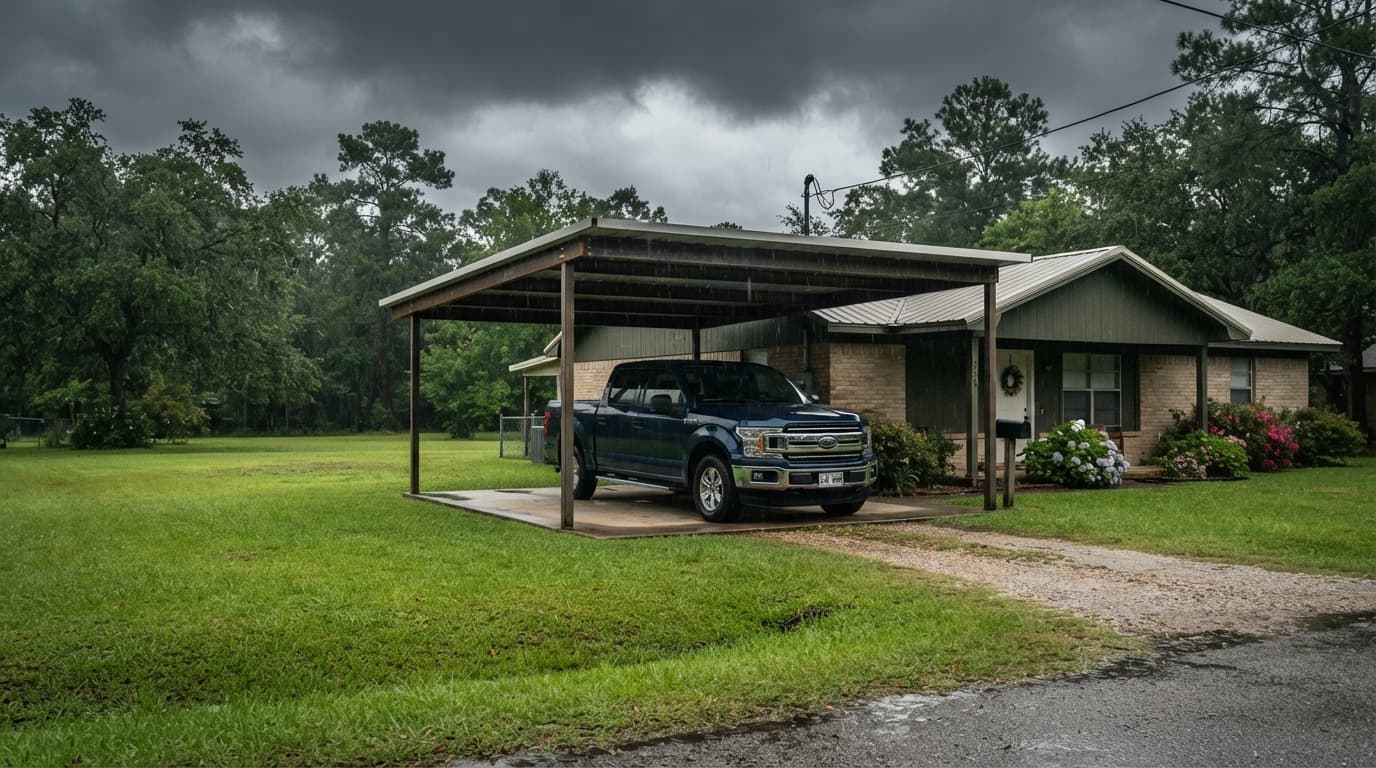
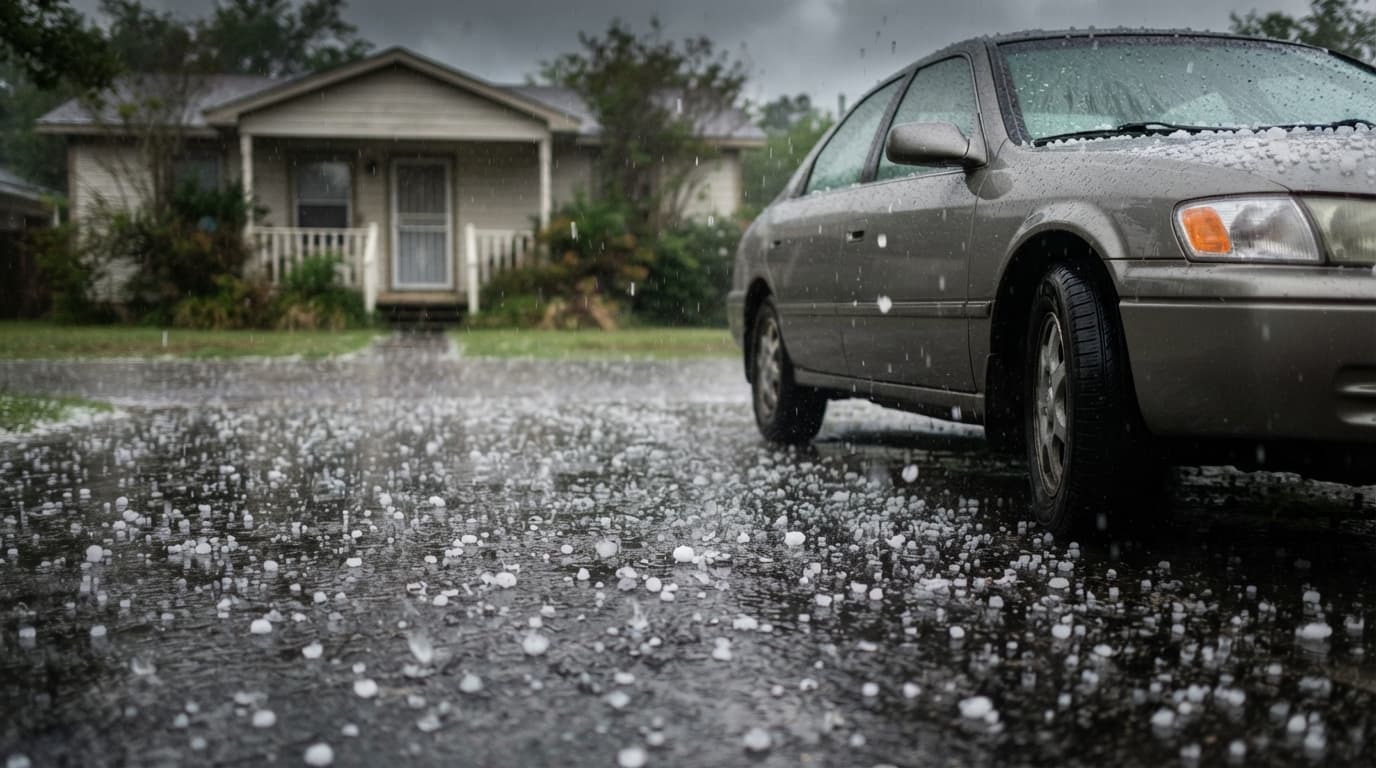
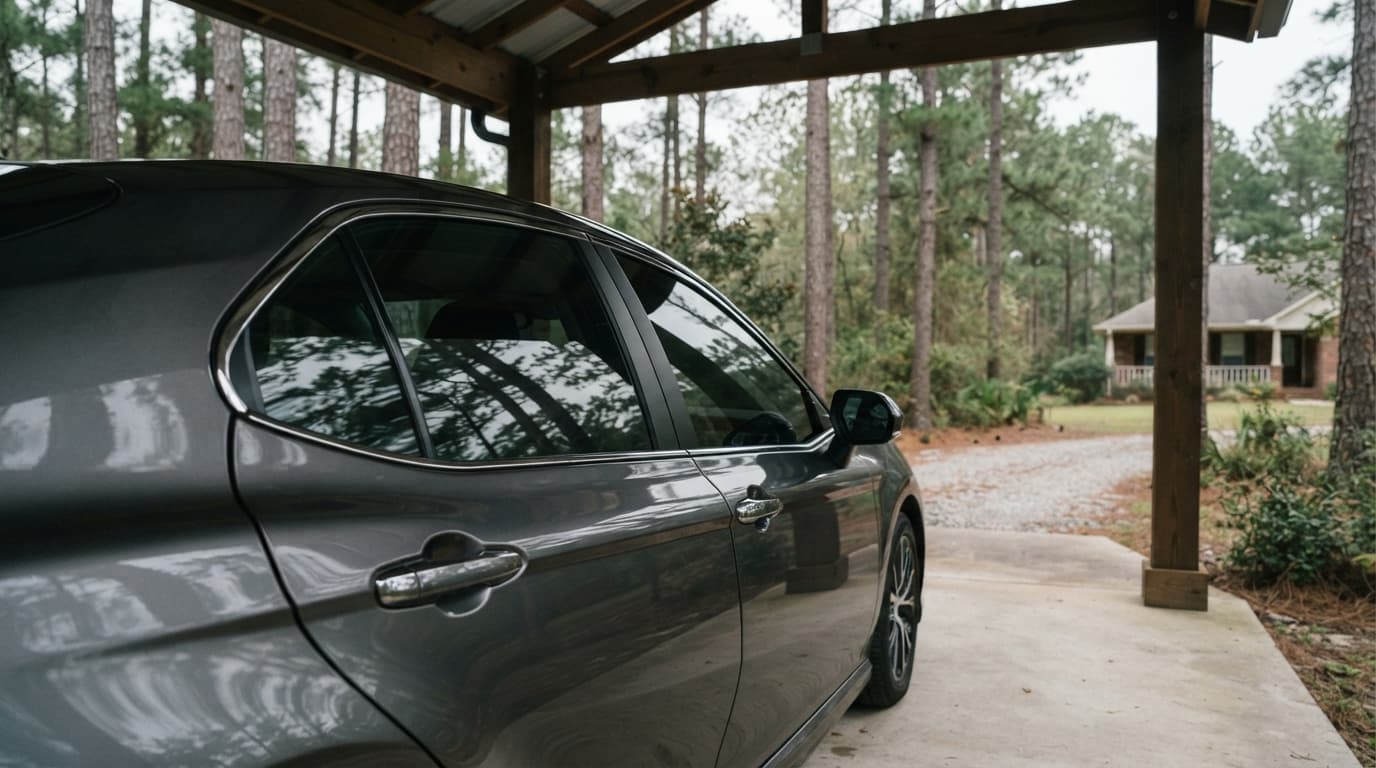
This is the area where many Southeast Texas drivers see the value of comprehensive coverage most clearly. Beaumont weather can shift quickly, especially during storm season, bringing hail, strong wind, heavy rain, and flying debris. If hail dents your hood and roof, a tree limb falls on your parked car, or storm debris shatters the windshield, comprehensive coverage is usually the part of the policy that may pay for repairs. Flood damage may also fall under comprehensive in many auto policies, which is important when roads, lots, and low-lying areas take on water after intense rainfall. Drivers in Beaumont, Vidor, Nederland, and Port Arthur often deal with weather exposure that goes well beyond normal wear and tear, making this protection especially relevant.
Animal Strikes and Other Unexpected Road Hazards
A lot of people are surprised to learn that hitting an animal is typically considered a comprehensive claim rather than a collision claim. If a deer, hog, dog, or other animal runs into your path on a road near Lumberton, Kountze, Silsbee, or the less developed edges outside Beaumont, the resulting front-end damage may fall under comprehensive coverage. That distinction matters because the claim is handled differently than a standard crash. Comprehensive can also apply to unusual events such as fire, explosions, or damage from civil disturbances, depending on the policy language. The common thread is that these are sudden, accidental losses that did not come from the driver colliding with another car or object in the usual sense.
What Comprehensive Coverage Usually Does Not Pay For
Comprehensive coverage is valuable, but it has clear limits. It generally does not pay for damage from a crash with another vehicle, backing into a pole, or sliding into a guardrail; those losses usually fall under collision coverage. It also does not cover routine maintenance, mechanical breakdowns, normal wear, or replacing old parts just because they failed. Personal belongings inside the car are often excluded as well, since those may fall under a homeowners or renters policy instead. Another important limit is the deductible. If your repair bill is only slightly above the deductible amount, the claim may offer limited financial benefit. Beaumont drivers should look at both the deductible and the actual value of the vehicle before deciding how much comprehensive protection makes sense.
Why This Coverage Has Local Value in Beaumont and Nearby Cities
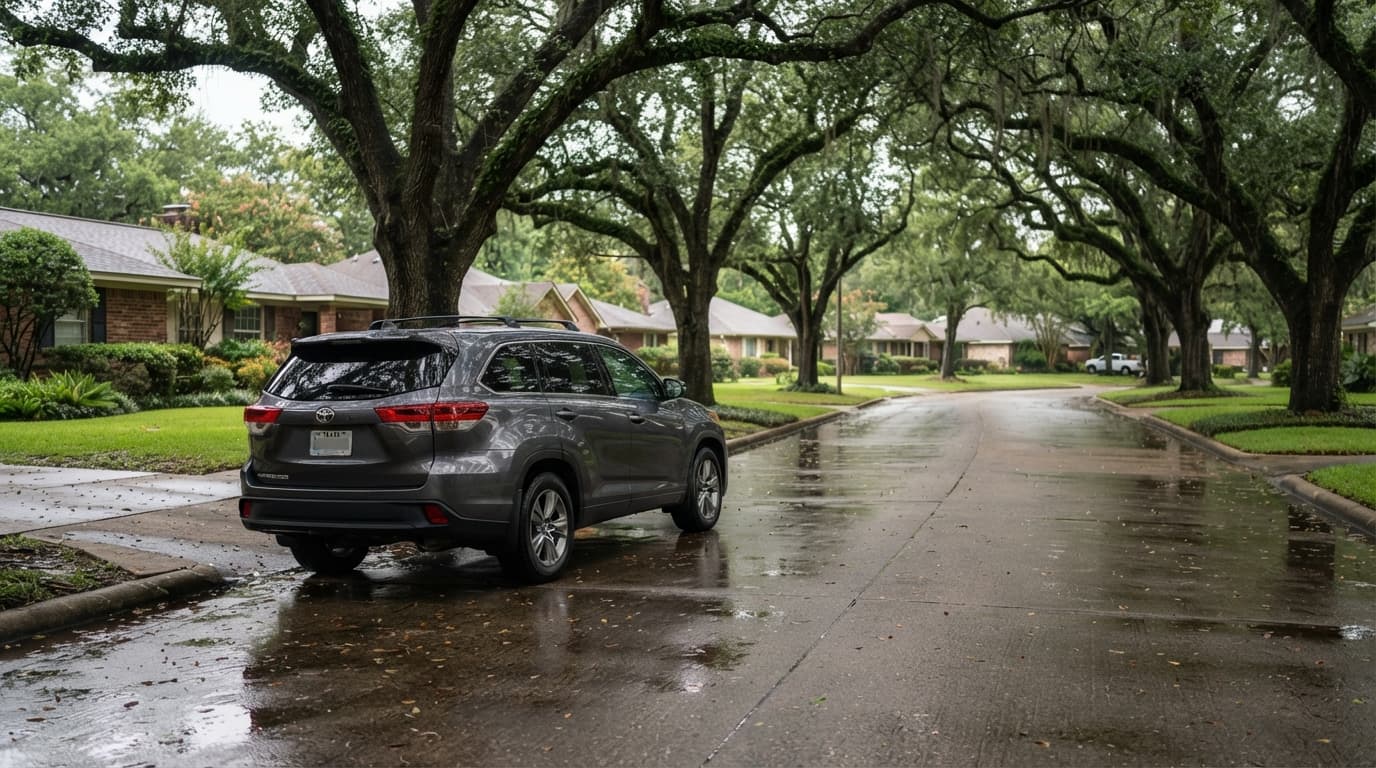
Comprehensive coverage has a strong local case in Beaumont because many of the area’s biggest vehicle risks happen while a car is parked, not moving. Storm systems moving through Jefferson County can bring hail, high winds, and street flooding. Large trees in older neighborhoods can become hazards during severe weather. Busy retail areas and public parking lots in Beaumont, Orange, Groves, Port Neches, and Bridge City can increase the chance of glass damage, theft, or vandalism. Drivers who commute between Beaumont and Port Arthur or leave vehicles outside during work hours may face repeated weather exposure over time. In other words, comprehensive coverage is not just for rare disasters. It is often about protecting against the kind of non-collision losses that happen in normal daily life across Southeast Texas.
Key Takeaways for Beaumont Drivers
- Comprehensive coverage usually pays for non-collision damage such as theft, vandalism, hail, falling objects, fire, and animal strikes.
- It is different from collision coverage, which generally applies when your vehicle hits another car or object.
- Beaumont drivers often consider comprehensive because storm damage, heavy rain, broken glass, and parking-lot losses are real local concerns.
- Flood-related vehicle damage may be handled under comprehensive in many policies, but exact terms and exclusions should always be reviewed carefully.
- Your deductible affects whether a claim is worth filing, especially for smaller repairs like minor glass or cosmetic damage.
- The value of the vehicle matters too, since carrying comprehensive on an older car may make more or less sense depending on replacement cost.

How to Decide If Comprehensive Coverage Is Worth It
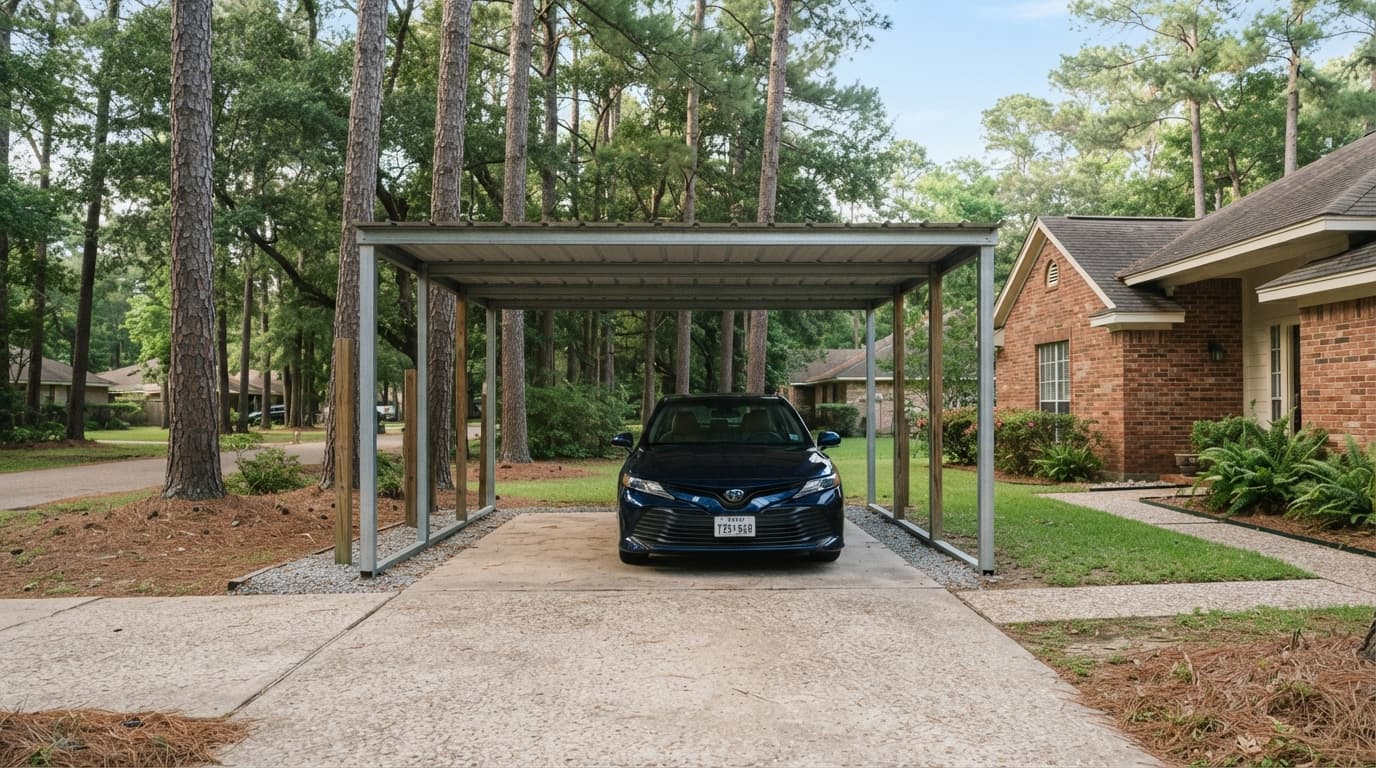
The practical question is not whether comprehensive coverage sounds useful, but whether it fits your vehicle, budget, and exposure in Beaumont. Start by asking what your car is worth today, whether you could afford sudden repairs after hail or theft, and where the car is usually parked. A newer vehicle kept outdoors in Beaumont, Vidor, or Nederland may have a stronger case for comprehensive than an older car with low market value. It also helps to compare deductible options, since a lower deductible means less out of pocket after a covered loss but usually a higher premium. Before choosing or dropping this coverage, review common local risks, think through the cost of replacing the vehicle, and compare quote options carefully so the decision is based on numbers rather than guesswork.