Why Liability Coverage Matters in Beaumont
If you cause a crash in Beaumont, liability coverage is the part of your auto policy designed to pay for the other person’s losses, up to your policy limits. That usually includes injuries to other people and damage to their vehicle or other property. It is one of the most important parts of a Texas car insurance policy because a single wreck on I-10, Eastex Freeway, or a busy local road like Dowlen Road can create costs far beyond what many drivers expect. Medical bills, repair costs, lost income claims, and legal expenses can add up quickly, which is why understanding what liability coverage does before an accident matters so much.
How Texas Liability Coverage Works
Texas requires drivers to carry minimum liability insurance, but minimum does not mean full protection. Liability coverage is generally split into bodily injury liability and property damage liability. Bodily injury liability helps pay when another person is hurt in an accident you caused. Property damage liability helps pay when you damage someone else’s car, fence, building, mailbox, or similar property. In Beaumont, where traffic includes commuters, commercial vehicles, and storm-related driving hazards, even a moderate crash can become expensive. Your insurer may also provide a legal defense if you are sued, but that protection still works within the structure and financial limits of the policy you purchased.
What Bodily Injury Liability Usually Pays For
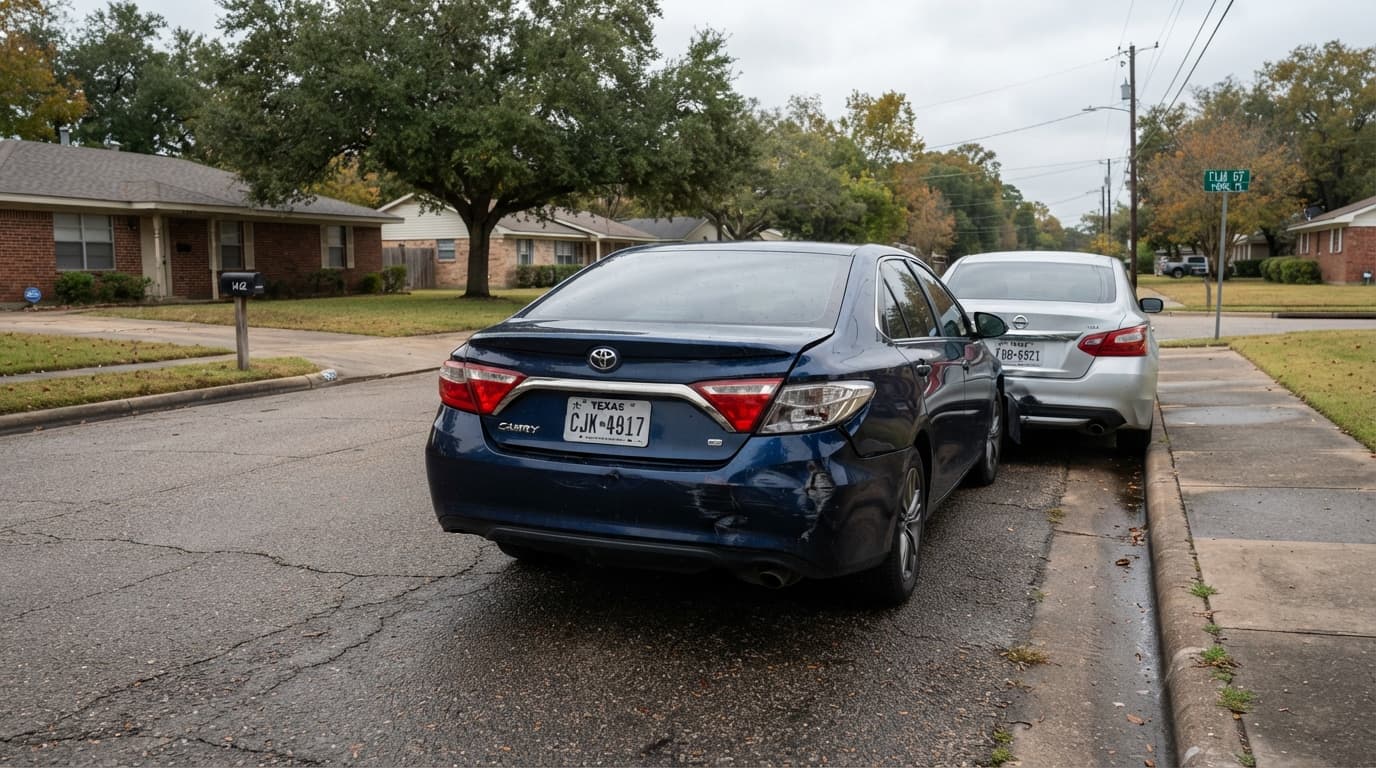
Bodily injury liability typically pays for the other party’s accident-related medical expenses when you are at fault. That can include ambulance transportation, emergency room treatment, follow-up doctor visits, surgery, physical therapy, medication, and sometimes lost wages if the injured person misses work. It may also apply to pain and suffering claims or legal settlements, depending on the case. For example, if a driver in Beaumont rear-ends another vehicle near Calder Avenue and the other driver suffers a neck or back injury, bodily injury liability is the part of the policy most likely to respond. It can also apply to injured passengers in the other vehicle, and in some situations passengers in your own vehicle, depending on fault and policy terms.
What Property Damage Liability Usually Pays For
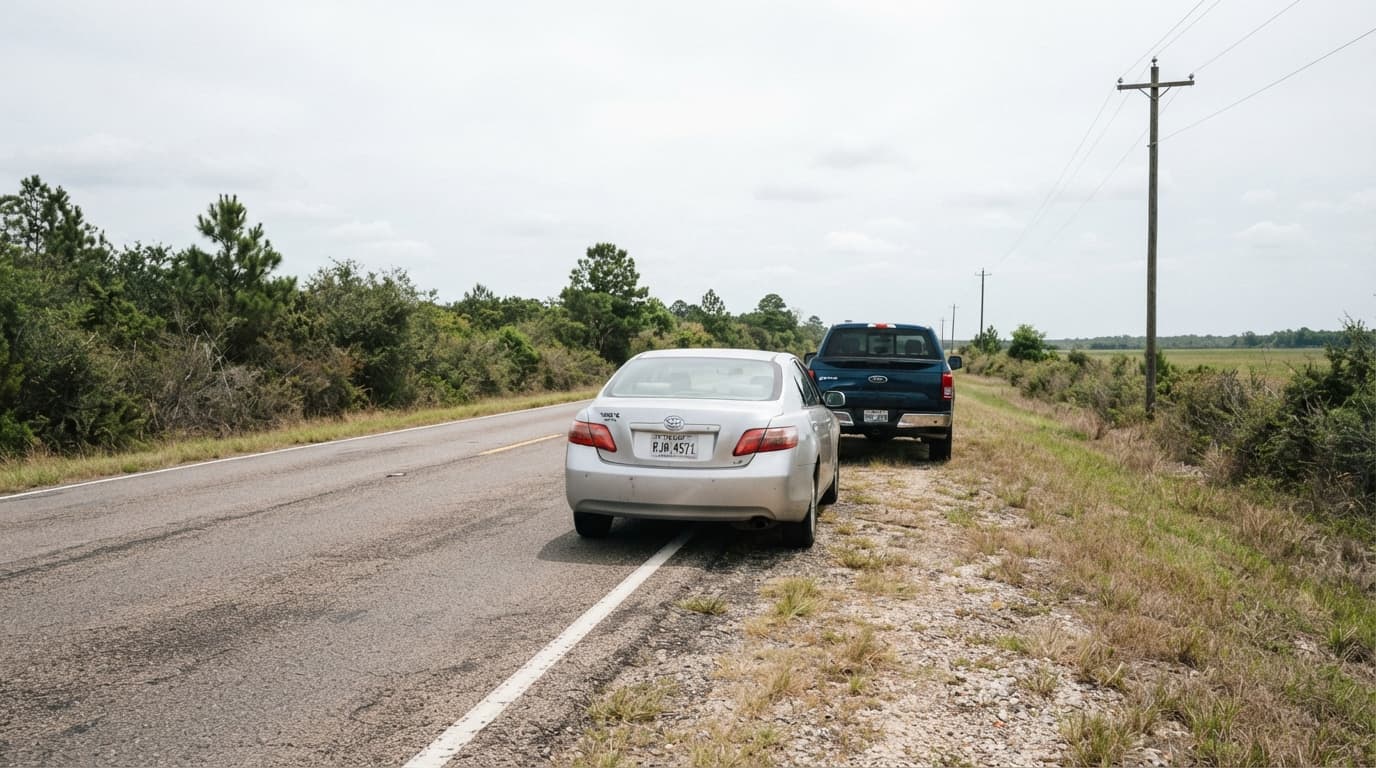
Property damage liability usually pays for repairs or replacement when you damage someone else’s property in a crash. Most people think first about the other vehicle, but this coverage can extend beyond cars. If you slide through an intersection in Beaumont during heavy rain and hit a traffic sign, storefront, garage door, or utility structure, property damage liability may help pay those costs. It can also cover related losses such as towing or cleanup in some claims. With modern vehicles carrying expensive sensors, cameras, and electronics, even what looks like a minor collision in places like Port Arthur, Orange, or Nederland can produce a repair estimate much higher than older drivers might expect.
What Liability Coverage Does Not Pay For
Liability coverage is not designed to pay for your own injuries or damage to your own vehicle when you cause the accident. If your car needs repairs after an at-fault crash in Beaumont, that is generally handled by collision coverage, not liability. Your own medical bills may fall under personal injury protection, MedPay if available, or health insurance, depending on your policy choices. Liability coverage also does not pay for routine maintenance, mechanical breakdowns, or intentional damage. This distinction matters because some drivers assume meeting the Texas minimum means all accident costs are covered. In reality, the policy may protect other people first while leaving your own out-of-pocket costs surprisingly high.
How Policy Limits Apply After a Crash
Liability insurance only pays up to the limits listed on the policy. In Texas, limits are commonly shown as three numbers, such as 30/60/25. That generally means up to $30,000 for bodily injury per person, up to $60,000 total bodily injury per accident, and up to $25,000 for property damage per accident. If you cause a crash in Beaumont involving multiple injured people or a newer SUV, truck, or work vehicle, those numbers can be exhausted quickly. Once claim costs go beyond your limits, you may be personally responsible for the remaining balance. That is the key reason policy limits deserve careful attention, especially for drivers with savings, income, or other assets they want to protect.
Why Minimum Limits May Fall Short in Southeast Texas
Minimum required limits can look affordable, but they may not reflect real claim costs in Beaumont and nearby communities like Vidor, Groves, Port Neches, and Bridge City. Medical care is expensive, and vehicle repair costs have risen sharply because of labor rates, parts shortages, and advanced safety systems. Southeast Texas drivers also deal with heavy rain, flood-prone streets, industrial traffic, and highway congestion, all of which can increase accident severity. A chain-reaction crash or a collision involving a pickup, company vehicle, or several passengers can produce damages far above the state minimum. For many households, carrying stronger limits is less about luxury and more about reducing the chance of a financially damaging gap after one bad day.
Local Factors Beaumont Drivers Should Consider
Beaumont driving conditions create risks that make liability decisions especially important. Major corridors like I-10, Highway 69, and local commercial areas near Parkdale Mall can bring dense traffic and frequent stop-and-go conditions. Storm season can also lead to slick roads, reduced visibility, and sudden braking accidents. In surrounding areas such as Lumberton, Silsbee, Kountze, and China, longer drives and rural road conditions can increase speeds and the severity of impact when a crash happens. If you regularly drive with family members, commute across Jefferson County, or share the road with larger trucks, choosing liability limits based only on the legal minimum may leave too little room for real-world claims.
Key Takeaways for Beaumont Drivers
- Bodily injury liability usually pays for other people’s medical bills, lost wages, and injury claims when you cause a crash.
- Property damage liability usually pays for damage to someone else’s vehicle or property, including structures and roadside objects.
- Liability coverage does not usually pay for your own car repairs or your own injuries after an at-fault accident.
- Texas minimum limits can be exhausted quickly in Beaumont because medical treatment and vehicle repairs are often expensive.
- Higher liability limits can help protect income, savings, and future finances if claim costs exceed the minimum required coverage.

What to Do Next When Reviewing Coverage
A smart next step is to review your current liability limits and compare them with the actual costs of a serious accident in Beaumont. Look at how much property damage your policy would cover, how much bodily injury protection is available per person and per accident, and whether those numbers would still feel adequate if multiple people were injured. It also helps to compare quotes at several limit levels, since increasing coverage is sometimes more affordable than drivers expect. This site encourages Beaumont drivers to think beyond legal compliance and focus on practical financial protection, especially if they drive often in Port Arthur, Orange, Nederland, or across the wider Southeast Texas area.