Why This Question Matters in Beaumont
Many drivers in Beaumont carry liability coverage because Texas requires it, but the bigger question is whether the amount is actually enough after a serious wreck. Liability insurance pays for the other person’s injuries and property damage when the insured driver is at fault. That sounds simple until real costs show up. A multi-vehicle crash on Interstate 10, a rear-end collision on Dowlen Road, or a left-turn accident near College Street can create bills far above the state minimum. This guide breaks down how Beaumont drivers can think about liability limits in practical terms instead of just picking the cheapest option.
Texas Minimum Limits Are Only a Starting Point
Texas requires minimum liability limits of 30,000 dollars for bodily injury per person, 60,000 dollars per accident, and 25,000 dollars for property damage. Those numbers may satisfy the law, but they do not reflect current medical pricing or the cost of replacing newer vehicles on Beaumont roads. One ambulance ride, an emergency room visit, imaging, follow-up care, and physical therapy can quickly push injury costs above 30,000 dollars for a single person. If two or three people are hurt, the 60,000 dollar accident cap can disappear even faster. The minimum is best understood as the legal floor, not a strong protection strategy.
How Injury Costs Can Outgrow Low Liability Limits
Bodily injury liability is often the area where drivers are most exposed. Consider a common Beaumont scenario: a driver causes a crash during heavy rain on Eastex Freeway and another car carrying two adults and a child is hit. Even when injuries are not catastrophic, medical expenses can add up fast through emergency treatment, specialist visits, missed wages, and rehab. If one injured person has a surgery recommendation or ongoing pain treatment, costs can move well beyond minimum limits. When policy limits run out, the at-fault driver may still be responsible for the remaining amount, and that can mean collections, legal action, or pressure to settle out of pocket.
Property Damage Is More Expensive Than Many Drivers Expect
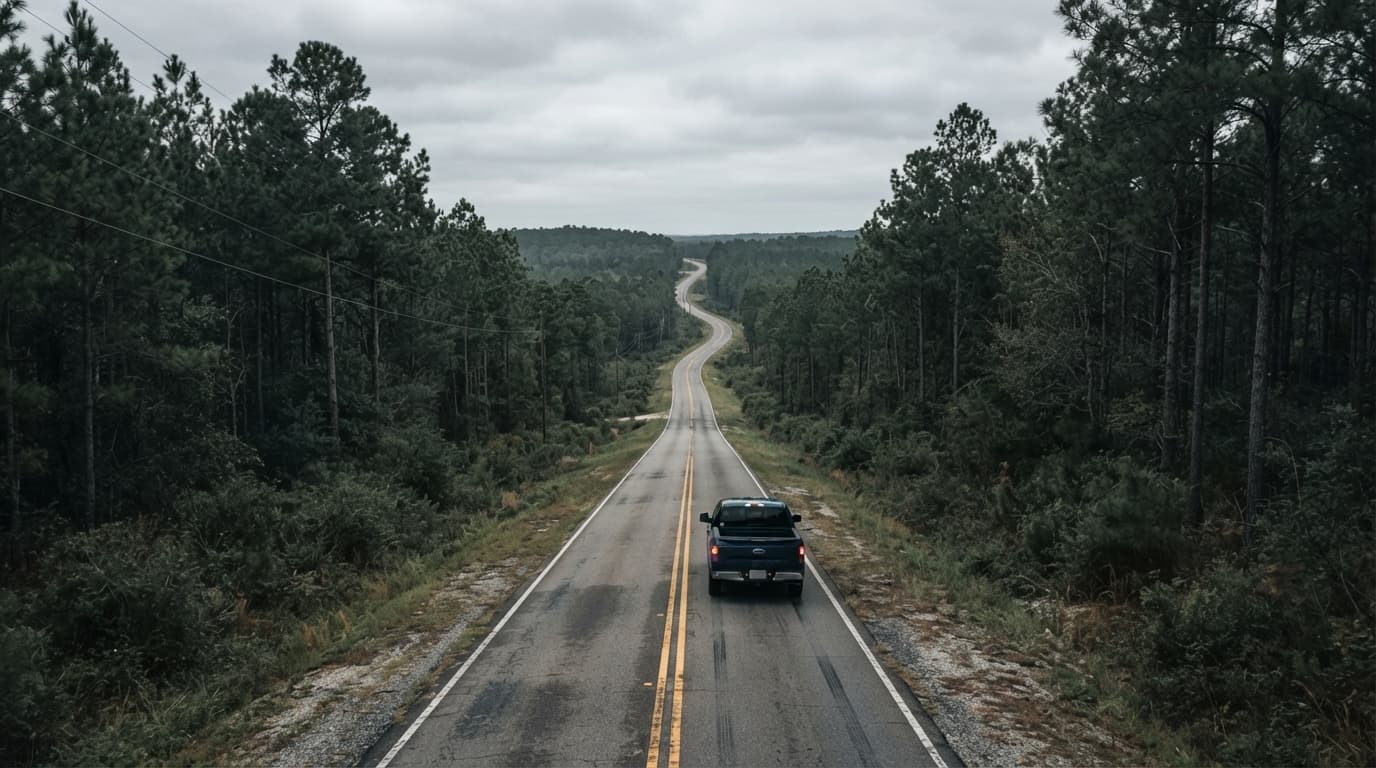
Property damage liability covers what the at-fault driver damages, and that is not limited to the other vehicle’s bumper. In Beaumont, a crash can involve a newer pickup, SUV, luxury crossover, fence, traffic sign, storefront glass, or multiple parked vehicles. Repair costs have increased because parts, labor, sensors, and calibration work are more expensive than they used to be. A fairly ordinary late-model truck can cost well over 25,000 dollars to replace if it is totaled. If a driver hits more than one vehicle, or damages a vehicle plus surrounding property, the Texas minimum property damage limit can run out quickly. That leaves the driver exposed to the remaining claim amount.
What Higher Limits Usually Look Like in Real Life
For many Beaumont drivers, higher liability options such as 50,000 per person, 100,000 per accident, and 50,000 for property damage offer a more realistic baseline than state minimums. Others may look at 100,000 per person, 300,000 per accident, and 100,000 property damage, especially if they have savings, own a home, or simply want more protection from lawsuits. The point is not that every household needs the exact same limit. The point is that liability coverage should match the financial consequences of a bad day. A slightly higher premium often buys a much larger buffer between an accident claim and the driver’s personal finances.
How Lawsuit Risk Changes the Decision
A serious accident does not always end with the insurance company paying a simple repair bill. If injuries are significant or damages exceed policy limits, the injured party may pursue additional compensation. That is where low limits can become a personal financial problem. Beaumont drivers who own a house, have retirement savings outside protected accounts, or have steady income may have more to lose in a liability claim. Even drivers without major assets can face long-term stress if a claim turns into a dispute. Choosing stronger liability limits is often less about expecting a lawsuit and more about reducing the chances that one accident creates years of financial pressure.
Local Driving Conditions Around Beaumont Matter
Beaumont drivers deal with conditions that can increase claim severity, not just claim frequency. Heavy rain, standing water, refinery traffic, commercial vehicles, and busy routes connecting Port Arthur, Orange, Nederland, and Groves can all raise the odds of a more expensive accident. Weekend travel toward Bridge City or Port Neches, school traffic in residential areas, and higher-speed corridors outside town toward Lumberton, Silsbee, Kountze, or China can produce crashes with more force and larger losses. In a region where pickups and larger vehicles are common, property damage claims can be especially costly. Local driving patterns make it sensible to review liability limits with real-world Southeast Texas exposure in mind.
Key Takeaways for Reviewing Liability Limits
- Start with the Texas minimum only as a legal baseline, not as proof that the coverage is enough for Beaumont driving risks.
- Estimate what one injury claim could cost today, including emergency care, follow-up treatment, and missed income.
- Consider the value of vehicles commonly driven in Beaumont, Vidor, Orange, Port Arthur, and surrounding communities when reviewing property damage limits.
- Think about personal financial exposure, including savings, home equity, and future wages that could be at risk after a major at-fault accident.
- Compare several liability limit options side by side to see whether a modest premium increase buys substantially better protection.

A Simple Way to Decide What You Really Need
A practical approach is to ask three questions. First, if several people were injured in an accident, would the current bodily injury limits cover realistic medical costs? Second, if the other vehicle were a newer truck or SUV, would the property damage limit be enough to repair or replace it? Third, if the claim went beyond policy limits, could the driver comfortably absorb the difference without major financial harm? If the answer to any of those questions is no, the current limits may be too low. Beaumont drivers do not need to guess. Reviewing quote options at multiple liability levels can quickly show where better protection starts to make sense.