Why This Matters for Vidor Commuters
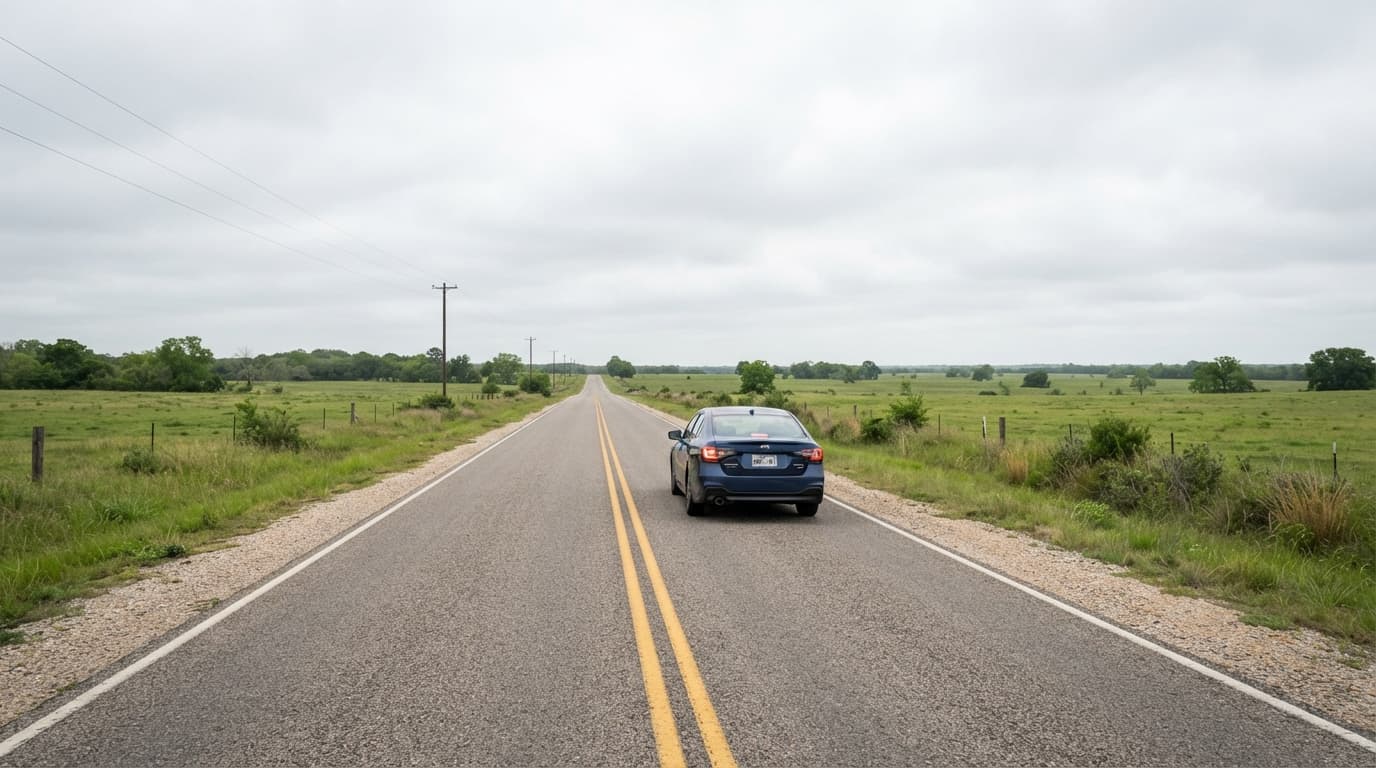
For many drivers in Vidor, the trip into Beaumont is just part of the weekly routine. That regular drive can feel familiar, but the insurance risk is not the same as occasional local errands close to home. Liability coverage matters because it helps pay for injuries or property damage the policyholder causes to others in an at-fault crash. If a driver spends a lot of time moving between Vidor and Beaumont, that repeated exposure to traffic, intersections, lane changes, and stop-and-go congestion can raise the chances of a claim. This guide breaks down how liability coverage works and how commuters can think more carefully about their limits.
How Liability Coverage Works in Texas
Texas requires drivers to carry minimum liability insurance, but minimum does not always mean enough. Liability coverage is generally split into bodily injury liability and property damage liability. Bodily injury liability can help cover medical bills, lost wages, and related expenses for other people injured in a crash the insured driver caused. Property damage liability helps pay for damage to another vehicle, fence, building, sign, or other property. Texas minimum limits may satisfy the legal requirement, but a single accident involving several vehicles, an expensive pickup, or a serious injury can quickly exceed those amounts. That is why commuting drivers should think beyond basic compliance and focus on realistic exposure.
Why a Beaumont Commute Can Increase Exposure
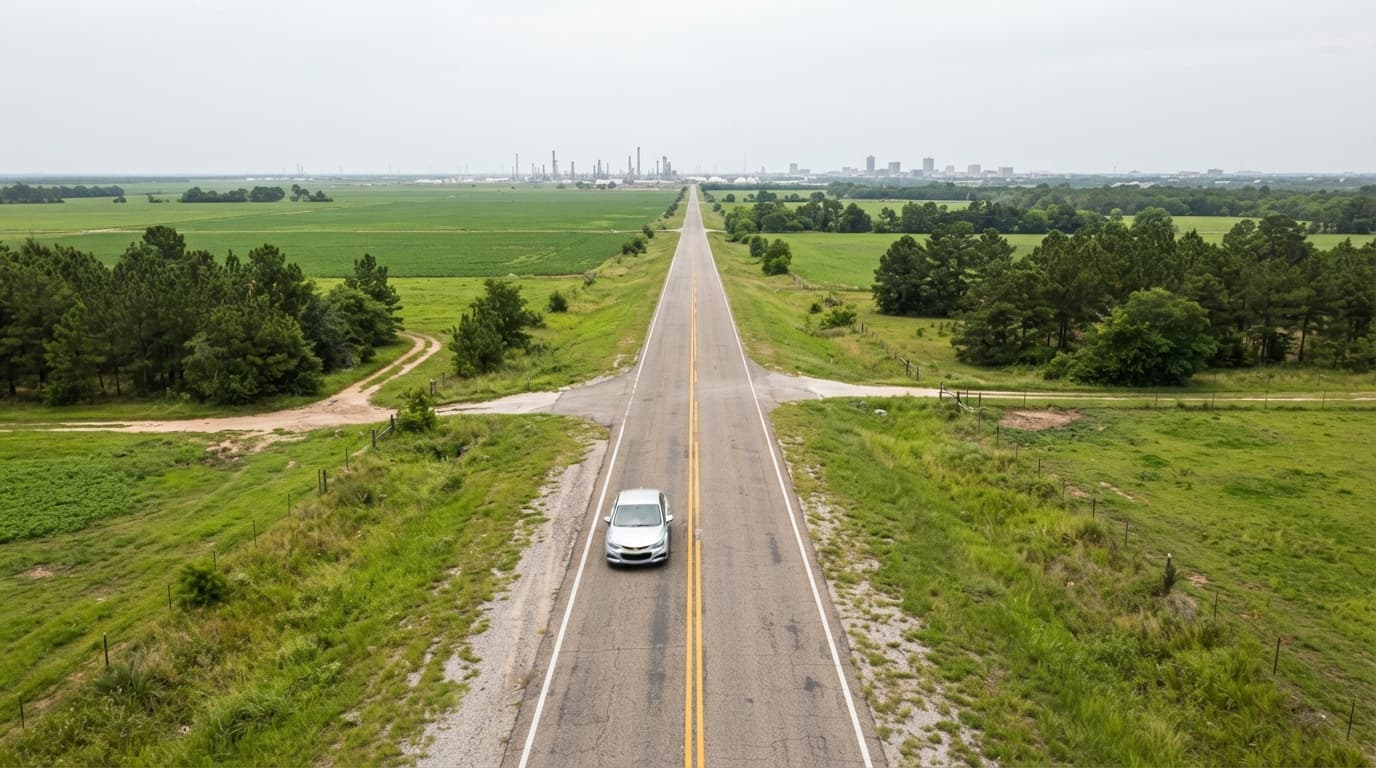
Driving from Vidor into Beaumont often means more than a simple point A to point B trip. A commuter may deal with busier roads, work zone slowdowns, changing weather, heavy rain, early morning glare, and traffic bunching around major employment areas. The more time a vehicle spends on the road, the more chances there are for rear-end collisions, side-swipes, or intersection mistakes. Even a low-speed crash can become expensive if it involves multiple vehicles or injuries. For drivers who make this trip five or six days a week, the key issue is repeated exposure. Insurance companies often look at how a vehicle is used, and commuters should make sure their policy accurately reflects that use.
What Policy Limits Mean in a Real Crash
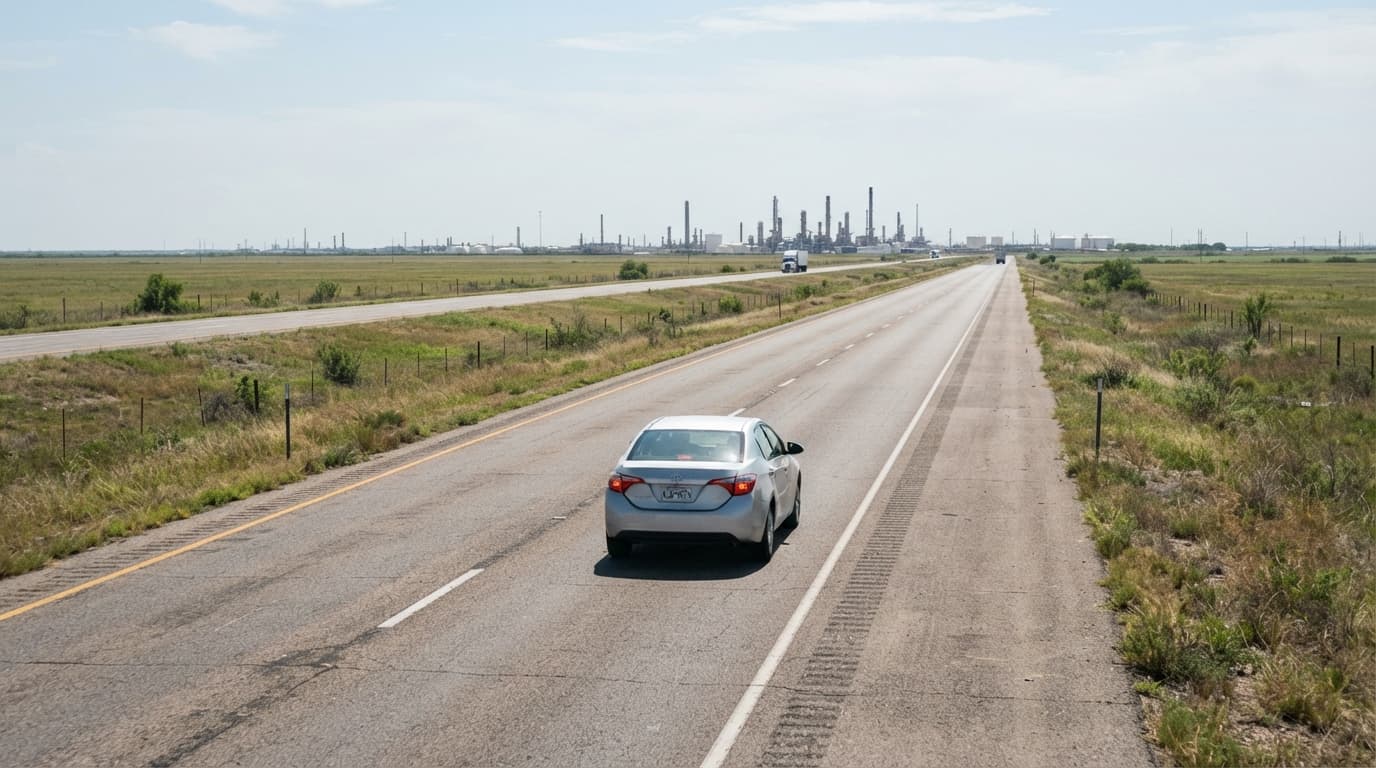
Policy limits are the maximum amount an insurer may pay for a covered liability claim, and this is where many drivers underestimate risk. Imagine a Vidor commuter causes a chain-reaction crash in Beaumont during a rainy afternoon drive. One car needs major repairs, another driver goes to the emergency room, and a third vehicle has minor damage. That claim can become expensive very fast. If coverage limits are too low, the driver may be responsible for costs above the policy maximum. This is why many commuters look at higher liability limits than the Texas minimum. The right number depends on income, assets, driving habits, and comfort with risk, but the goal is to create a better financial buffer.
How to Think Through the Right Amount of Coverage
A practical way to choose liability limits is to think about what could happen on a typical commute rather than what is legally required. Start with the roads traveled most often between Vidor and Beaumont, the time of day, and how often passengers are in the car. Then consider the kinds of vehicles commonly seen on those routes, including newer SUVs, work trucks, and commercial vehicles that may cost more to repair. Drivers with savings, a home, or other assets often choose higher limits because a serious claim can put personal finances at risk. It can also help to compare several limit options side by side and measure the premium difference against the added protection.
Local Driving Conditions Around Beaumont and Vidor
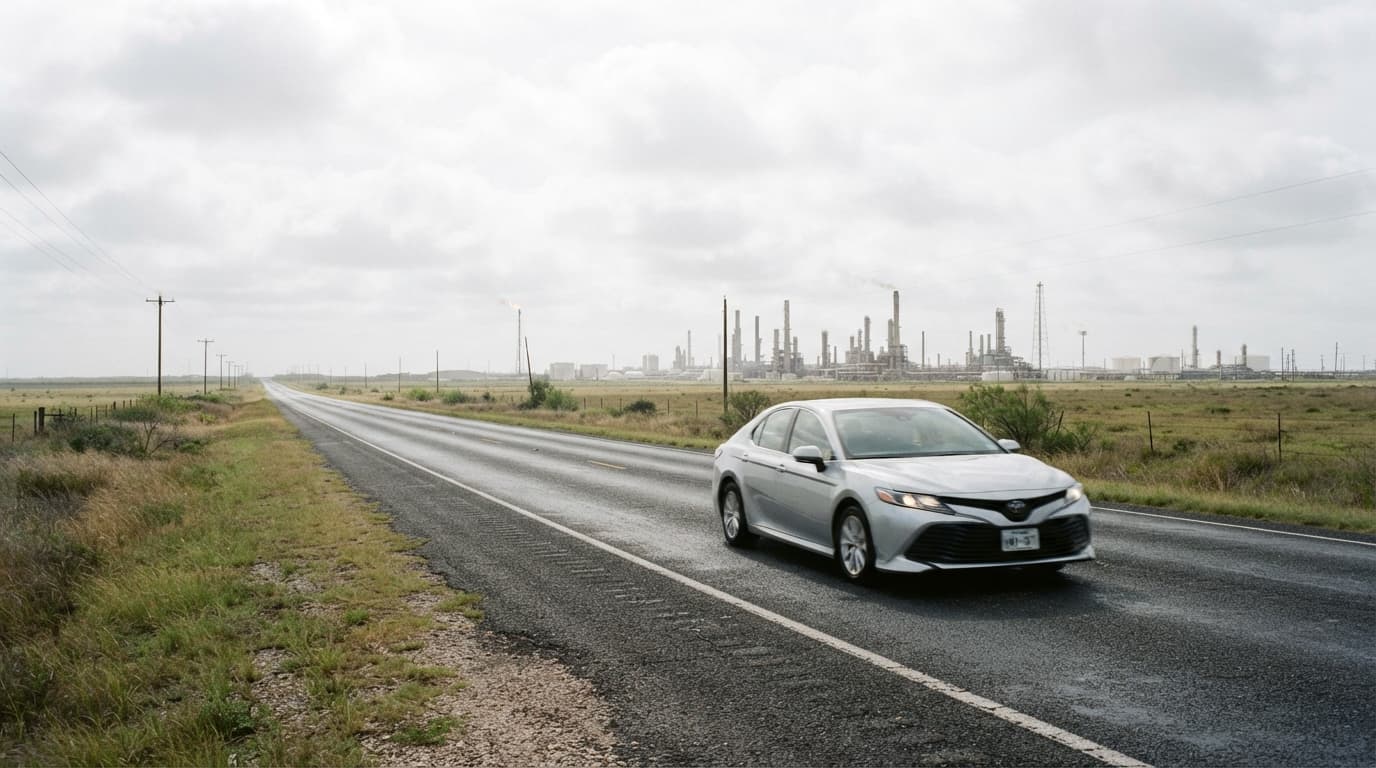
Local context matters because Southeast Texas driving comes with its own patterns. Commuters moving between Vidor and Beaumont may encounter rain-heavy stretches, busy merge points, school traffic, and congestion tied to industrial work schedules. Drivers coming from nearby places like Orange, Nederland, Port Neches, and Groves may also funnel into the same broader road network, increasing traffic density during peak hours. In areas such as Port Arthur, Bridge City, Lumberton, Silsbee, Kountze, and China, long regional driving habits can also mean more time at highway speeds before reaching city traffic. For Beaumont-area commuters, liability coverage should be evaluated with these day-to-day realities in mind rather than as a generic statewide requirement.
Key Takeaways for Commuting Drivers
Smart Liability Coverage Reminders
- Texas minimum liability limits may be legal, but they may not be enough for a multi-vehicle crash on a busy Beaumont commute.
- Frequent trips from Vidor to Beaumont increase time on the road, which can increase the likelihood of an at-fault claim over time.
- Higher bodily injury and property damage limits can provide a larger financial cushion if medical bills or repair costs rise quickly.
- Drivers should confirm their policy reflects actual commuting use, especially if the vehicle is driven to work most weekdays.
- Comparing several limit options can help show whether added protection costs less than expected.

What to Do Before Comparing Quotes
Before shopping for coverage, gather the details that actually affect a commuter policy decision. Review current liability limits, deductible choices on any other coverages, annual mileage, and whether the vehicle is used mainly for commuting. Think about recent changes too, such as a longer drive into Beaumont, a new vehicle, or a teen driver in the household. It is also smart to ask how different liability levels would respond in a serious injury claim or a property damage claim involving a newer vehicle. For Vidor drivers who spend a lot of time on Beaumont roads, the best next step is usually to compare options carefully, focus on adequate limits first, and use price as one part of the decision rather than the only factor.